
What Is a Wet Room? The Pros, Cons, and Costs
Wet rooms have become increasingly popular in modern homes, particularly for those looking to create a clean, open, and contemporary bathroom space. Their minimalist design and accessibility benefits make them appealing, but they aren’t the right solution for every home.
If you’re researching what a wet room is, it’s important to understand both the advantages and the potential drawbacks before making any decisions. While wet rooms can look impressive and function beautifully when planned properly, they also require careful consideration around layout, waterproofing, and cost.
This guide explains what a wet room bathroom is, how it works, and the key pros, cons, and costs to be aware of, helping you decide whether a wet room is the right choice for your home.
What Is a Wet Room?
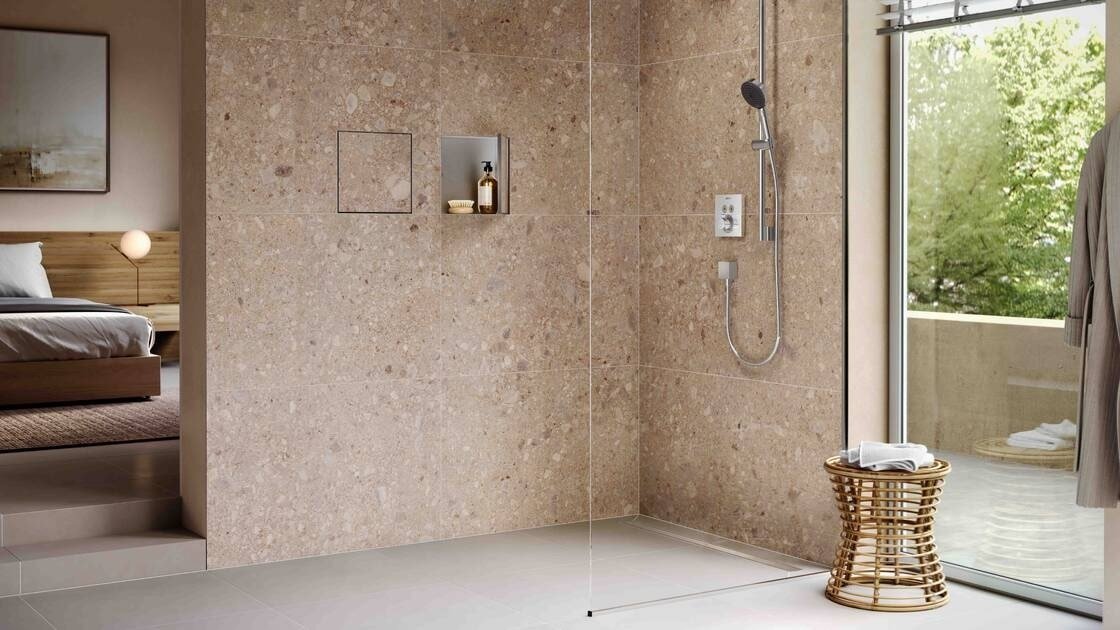
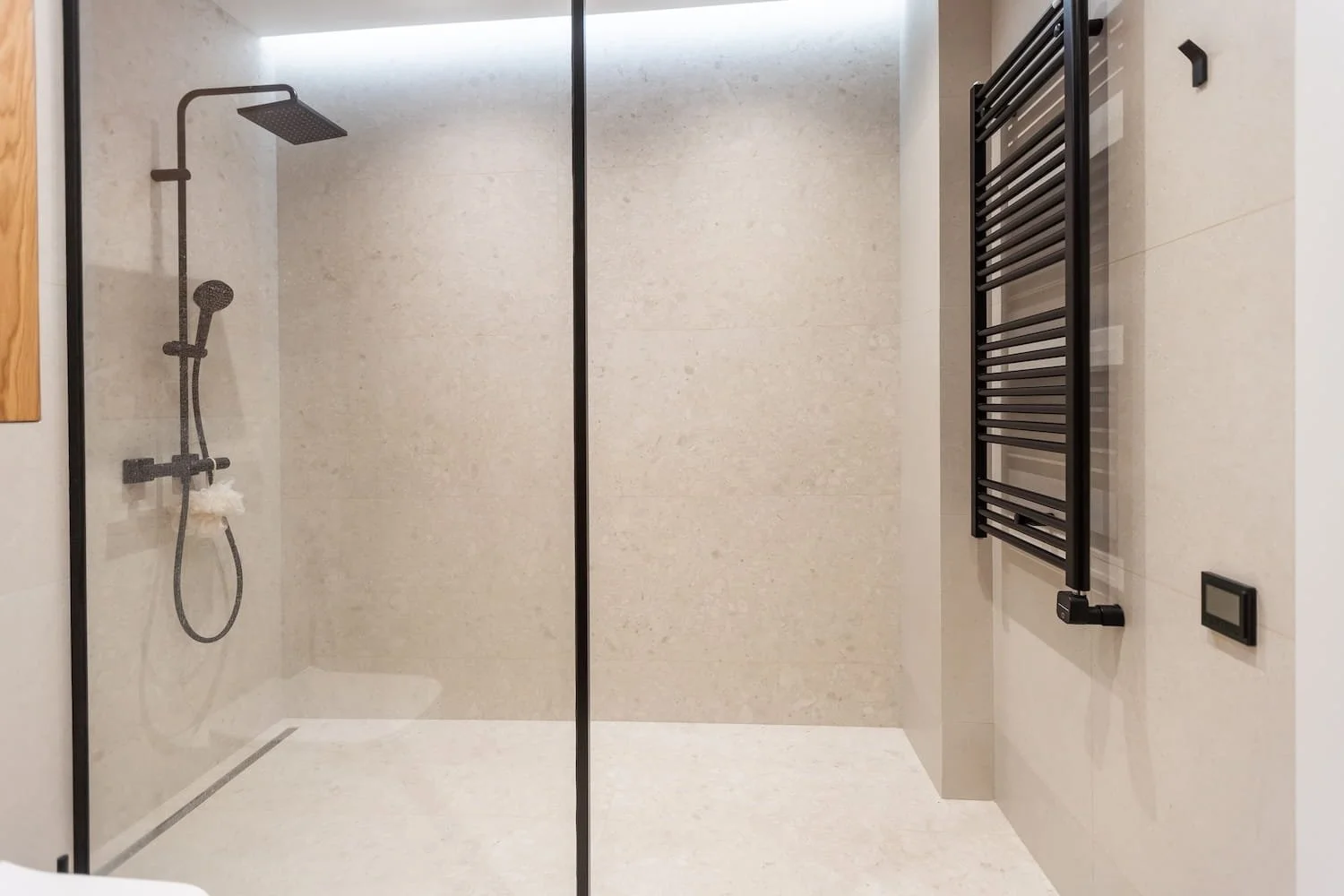
A wet room is a fully waterproofed bathroom where the shower area is open and level with the rest of the floor. Unlike a traditional bathroom, there’s no raised shower tray, and water drains directly through the floor via a built‑in drainage system.
In a wet room bathroom, the entire room is designed to handle water exposure. Floors and walls are tanked (waterproofed), and the layout is carefully planned so water flows safely towards the drain without pooling.
Wet rooms are often compared to walk‑in showers, but the two aren’t the same. A walk‑in shower typically still has a defined shower enclosure or tray, whereas a wet room treats the whole space as a shower‑safe area. This difference is what gives wet rooms their open, seamless appearance.
Many homeowners explore wet room design ideas before deciding if this style suits their space. Looking at real examples can help clarify whether the open layout and visual simplicity of a wet room align with your needs and expectations.
How Does a Wet Room Work?
At a basic level, a wet room works by making the entire bathroom space waterproof. Rather than containing water within a shower enclosure or tray, the room itself is designed to safely manage water exposure.
This is achieved through a process known as tanking, where floors and walls are fully waterproofed before any finishes are applied. This creates a protective barrier that prevents water from escaping into the surrounding structure of the home.
Wet rooms also rely on carefully planned drainage. The floor is subtly angled so water flows naturally towards a drain, keeping the space safe and usable without visible steps or raised areas. When done properly, this creates a seamless, level surface throughout the room.
Because wet rooms are fully open by design, planning plays a critical role in how well they function. Layout, drainage positioning, and waterproofing all need to be considered together. This is why wet rooms are typically treated as bespoke spaces rather than standard bathroom solutions.
The Benefits of a Wet Room
Modern, Minimalist Design
One of the most obvious benefits of a wet room is its clean, contemporary appearance. With fewer visual barriers and a seamless floor finish, wet rooms create a sense of openness that can make a bathroom feel more spacious and uncluttered.
This minimalist style works especially well in modern homes, but it can also complement more traditional spaces when carefully designed.
Accessibility and Ease of Use
Wet rooms are often chosen for their accessibility. The level access design removes steps and raised trays, making them easier to use for people with reduced mobility or those planning for long‑term living.
Because the entire space is designed to manage water, movement within the bathroom is unrestricted, which can improve comfort and safety.
Making the Most of Available Space
Wet rooms can be an effective way to maximise space, particularly in smaller bathrooms. Removing a bulky shower enclosure can free up visual and physical room, helping the bathroom feel more open.
In larger bathrooms, wet rooms allow for flexible layouts and can create a more luxurious, spa‑like feel when paired with thoughtful design choices.
A Long‑Term, Adaptable Solution
For homeowners thinking ahead, wet rooms can offer long‑term adaptability. Their open layout makes them easier to modify over time if needs change, without requiring major alterations to the structure of the room.
Learning more about bespoke wet room design can help clarify how a wet room could be planned to suit both current and future requirements.
The Drawbacks of a Wet Room
While wet rooms offer clear benefits, they’re not the right solution for every home. Understanding the potential drawbacks helps ensure expectations are realistic and decisions are well informed.
Higher Installation Costs
One of the most common concerns when considering a wet room is cost. Because the entire space needs to be waterproofed and carefully planned, wet rooms often involve a higher level of preparation than a standard bathroom.
The need for tanking, specialist drainage, and precise layout planning can make a wet room more expensive than a traditional bathroom with a shower tray.
Waterproofing Must Be Done Correctly
Waterproofing is critical in any wet room bathroom. If it isn’t carried out properly, it can lead to water damage that’s costly and disruptive to resolve.
This is why wet rooms require careful planning and professional execution. The quality of the waterproofing directly affects the long‑term performance of the space.
Not Suitable for Every Home
Not every property is ideally suited to a wet room. Factors such as floor structure, drainage position, and the location of the bathroom within the home can all influence whether a wet room is practical.
Upstairs wet rooms, for example, often require additional consideration to ensure water management is reliable and compliant.
Requires Thoughtful Design Choices
Because wet rooms are open by nature, layout and material choices matter. Poor placement of fixtures or inadequate drainage can affect how comfortable the space is to use on a daily basis.
Exploring wet room design and planning early can help identify whether a bespoke wet room is suitable for your home and how potential challenges can be addressed.
How Much Does a Wet Room Cost in the UK?

The cost of a wet room in the UK can vary widely, depending on the size of the space, the complexity of the design, and the condition of the existing bathroom. Unlike standard bathroom layouts, wet rooms are typically bespoke, which means costs are influenced by planning and preparation as much as by finishes.
What Influences Wet Room Costs?
Several factors affect the overall cost of a wet room bathroom, including:
Size of the room – larger spaces generally require more waterproofing and materials
Layout and drainage – relocating drainage or adjusting floor levels can increase complexity
Waterproofing requirements – full tanking is essential in wet rooms
Finishes and fixtures – tiles, screens, and fittings all influence the final cost
Property structure – upstairs wet rooms may involve additional work
Because each wet room is planned around the space, costs can differ significantly from one home to another.
Wet Room vs Standard Bathroom Costs
In general, wet rooms tend to cost more than standard bathrooms with a shower tray or enclosure. This is largely due to the additional waterproofing and planning involved.
That said, the long‑term benefits, such as accessibility, design flexibility, and ease of use, are often part of the appeal for homeowners choosing a wet room over a traditional layout.
Why Wet Rooms Are Considered a Long‑Term Investment
For many people, a wet room is viewed as a long‑term investment rather than a short‑term upgrade. When designed and installed correctly, a wet room can offer durability, adaptability, and a modern aesthetic that continues to work well over time.
Is a Wet Room Right for Your Home?
A wet room can be a great solution, but it isn’t automatically the best choice for every property or household. Deciding whether a wet room is right for your home means thinking about how the space will be used, both now and in the future.
When a Wet Room Makes Sense
Wet rooms are often well suited to homes where accessibility, ease of use, or a modern aesthetic is a priority. They can work particularly well in:
En‑suite bathrooms
Ground‑floor bathrooms
Homes planning for long‑term living or accessibility
Bathrooms where a clean, open design is desired
When thoughtfully planned, a wet room can improve how a bathroom functions on a day‑to‑day basis.
When a Wet Room May Not Be the Best Option
In some situations, a traditional bathroom layout may be more practical. Wet rooms may not be ideal where:
Budget is tightly limited
Structural constraints restrict drainage or floor adjustments
A fully open layout doesn’t suit how the bathroom is used
Understanding these limitations early helps avoid choosing a solution that doesn’t fully meet your needs.
Why Bespoke Planning Matters
Because wet rooms are tailored to the space, careful planning is essential. Layout, waterproofing, and drainage all need to be considered together to ensure the wet room works as intended.
Learning more about wet room design and planning can help clarify whether a bespoke wet room is suitable for your home and what considerations are involved.
Planning a Wet Room Properly
Successful wet rooms rely on thoughtful planning rather than off‑the‑shelf solutions. Because every wet room is different, planning focuses on how the space will function as a whole, not just how it looks.
Layout and Flow
In a wet room, layout plays a key role in everyday comfort. The position of the shower area, basin, and other fixtures affects how water moves through the space and how easy the room is to use.
Good planning helps ensure the room feels open without allowing water to spread where it’s not wanted.
Drainage and Waterproofing Considerations
Drainage and waterproofing are fundamental to how a wet room performs. While the technical details are handled during installation, early planning helps ensure the layout supports effective water management.
This is one of the reasons wet rooms are usually planned as bespoke spaces rather than standard bathroom layouts.
Choosing Suitable Materials and Finishes
Materials used in a wet room need to cope with frequent exposure to water. Flooring, wall finishes, and fittings all play a role in safety, maintenance, and long‑term performance.
Selecting appropriate materials during the planning stage helps balance design with practicality.
The Value of Professional Design Input
Because wet rooms involve multiple considerations working together, professional design input can be particularly valuable. Structured planning helps identify potential challenges early and ensures the final layout is both functional and visually cohesive.
If you’re exploring whether a wet room could work in your home, learning more about bespoke wet room design can provide useful insight into what’s involved.
Common Wet Room Mistakes to Avoid
Wet rooms can work exceptionally well when planned correctly, but small oversights can have a big impact. Being aware of these common mistakes can help ensure the final result is practical, comfortable, and long‑lasting.
Underestimating the Importance of Waterproofing
Waterproofing is the foundation of any wet room. Treating it as a minor detail or rushing this stage can lead to serious issues later on. Even well‑designed wet rooms depend on thorough tanking to protect the surrounding structure.
Poor Drainage Planning
Inadequate drainage or poorly positioned drains can result in water pooling or spreading across the room. While these details are handled during installation, early planning ensures the layout supports effective water flow.
Prioritising Style Over Practicality
Minimalist design is a big part of the appeal of wet rooms, but practicality should never be overlooked. Choices around flooring, screens, and layout all affect how comfortable and safe the space is in everyday use.
Not Thinking Long‑Term
A wet room should be designed with future use in mind. Failing to consider accessibility, maintenance, or changing needs can limit how well the space works over time.
Wet Rooms FAQs
What is a wet room bathroom?
A wet room bathroom is a fully waterproofed space where the shower area is open and level with the rest of the floor. Instead of using a shower tray, water drains directly through the floor, allowing the whole room to handle water exposure.
Are wet rooms a good idea?
Wet rooms can be a great idea when planned properly. They’re popular for their modern design, accessibility, and ease of use. However, they’re not suitable for every home, so it’s important to consider layout, budget, and long‑term needs before deciding.
Are wet rooms expensive?
Wet rooms often cost more than standard bathrooms due to the additional waterproofing and planning involved. The final cost depends on the size of the room, layout, and finishes chosen, which is why wet rooms are usually planned as bespoke spaces.
Can any bathroom be turned into a wet room?
Not every bathroom is suitable for a wet room. Structural considerations, drainage position, and floor levels all influence whether a wet room is practical. This is why early planning and professional assessment are important.
Do wet rooms add value to a house?
A well‑designed wet room can add appeal, particularly for buyers looking for modern design or accessible living. As with any home improvement, the value added depends on the quality of the planning and execution.
Do wet rooms need special maintenance?
Wet rooms don’t necessarily require more maintenance than standard bathrooms, but material choice and layout affect how easy they are to keep clean. Good planning helps minimise water spread and simplify upkeep.