
How to Colour Drench Your Bathroom
If you’re planning a bathroom renovation, colour drenching is one of the most impactful ways to transform the space. Done well, it can make a bathroom feel calmer, more luxurious, and more considered.
Colour drenching is about confidence. Instead of breaking the room up with multiple colours and finishes, you commit to one palette and let it wrap around the space. Walls, tiles, ceilings, and sometimes even fittings work together to create a cohesive, immersive feel.
Whether you are starting with a blank canvas or refreshing an existing space, this guide will help you visualise how colour drenching could work in your own home.
What Is Colour Drenching in a Bathroom?
Colour drenching is the idea of using one main colour or tonal family across most surfaces in a room.
In bathrooms, this often means the walls, tiles, ceiling, and sometimes even the vanity or bath surround all sit within the same palette.
Rather than feeling flat, this approach actually adds depth. When everything works together, the eye isn’t constantly jumping between contrasts. The space feels calmer, more intentional, and often more luxurious.
In a bathroom, colour drenching can be achieved in a few different ways:
Painting walls and ceilings the same colour
Using the same tile on walls and floors
Carrying one tone through tiles, paint, and finishes
Combining different textures within the same colour family
The key is that it’s not about one exact shade everywhere.
Slight variations like matte and gloss, smooth and textured, tile and paint are what give the room interest.
Colour drenching works especially well in bathrooms because they are naturally enclosed spaces. Instead of trying to make the room feel “bigger” with contrast, drenching creates a cocooning effect that feels designed and high-end, similar to luxury hotels and spa bathrooms.
When done thoughtfully, it doesn’t overpower the space. It elevates it.
Why Colour Drenching Is a Timeless Design Choice
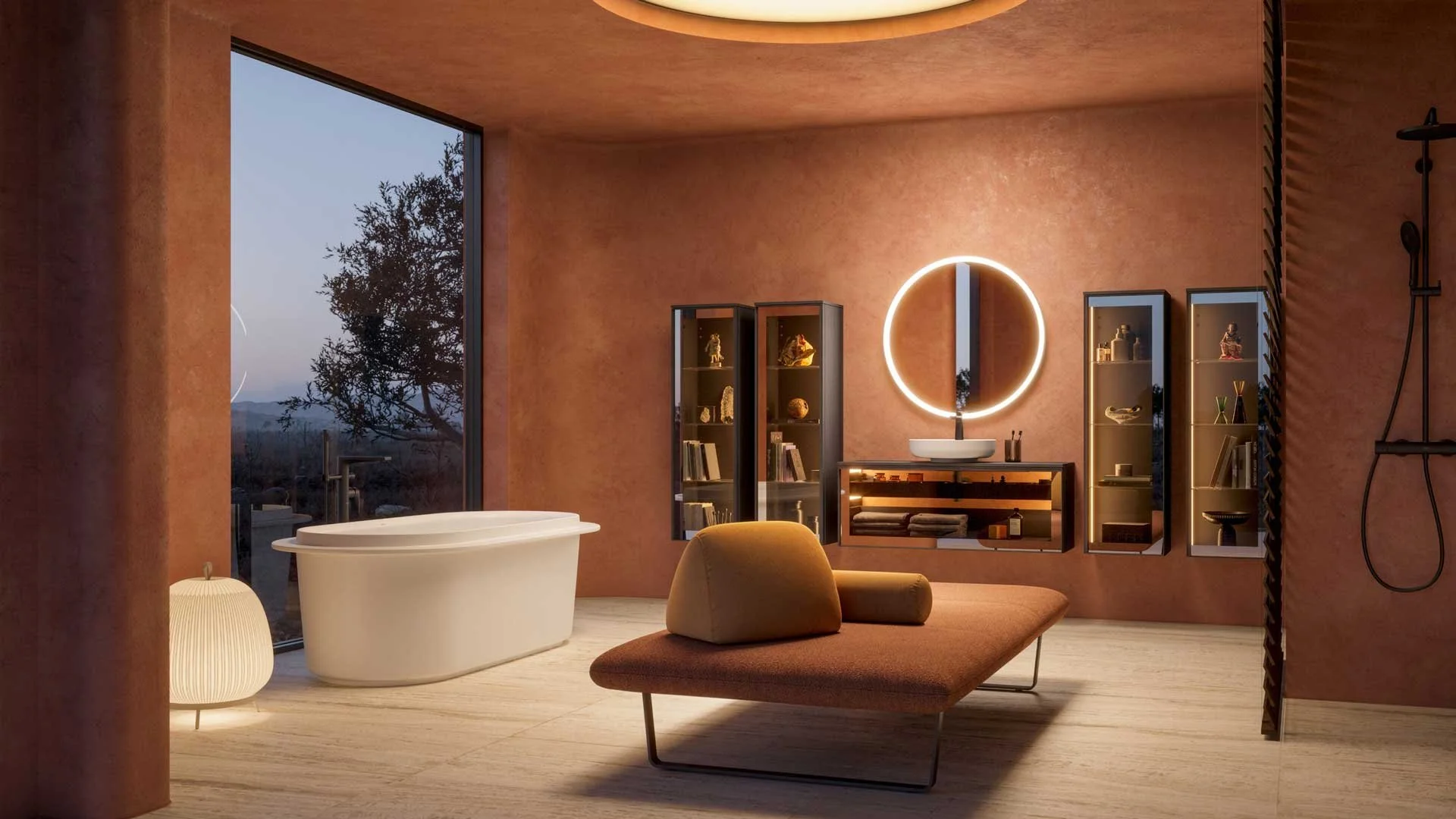
Image credit: Duravit - The Dream Bathroom of Christian Werner
Although colour drenching within the home is currently all over social social media, that doesn’t mean it’s a fleeting trend.
Bathrooms that age badly often do so because they rely on contrast-heavy trends, feature walls, statement tiles that dominate the room, or finishes that feel very “of their moment”.
Colour drenching avoids this by creating a cohesive backdrop that lets the design breathe.
Because the palette is unified, the space feels calmer and more considered. It also means you’re not locking yourself into a look that’s hard to update.
Small changes like new brassware, lighting, or accessories can refresh the room without needing a full renovation.
Another reason colour drenching lasts is its flexibility. It works just as well in:
Minimal, modern bathrooms
Spa-inspired retreats
Traditional spaces with classic fittings
Bold, architectural designs
The secret is choosing colours and finishes that have longevity. Earthy neutrals, deep blues, soft greens, and warm clay tones have been used in interiors for decades, long before they were labelled as “trends”.
When paired with quality tiles, well-made sanitaryware, and thoughtful lighting, colour drenching becomes less about following fashion and more about creating a bathroom that feels right for your home.
Choosing the Right Colour Palette for Your Bathroom
The success of colour drenching comes down to the palette you choose. The good news is that the most effective colours are also the ones with real staying power.
These are shades that feel grounded, versatile, and easy to live with, not flash-in-the-pan colours that date quickly.
Earthy Neutrals That Never Date
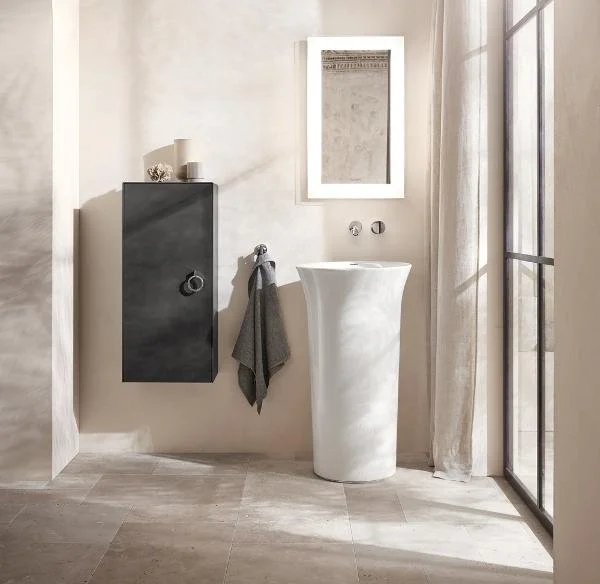
Earthy neutrals are one of the safest and most sophisticated ways to colour drench a bathroom. Think taupe, greige, warm beige, stone, and soft mushroom tones.
These colours work beautifully because they sit quietly in the background, allowing materials and textures to do the talking. A stone-effect tile, a fluted vanity, or warm metal fittings instantly elevate the space without needing contrast.
Earthy neutrals are also incredibly flexible. They suit:
Small bathrooms that need to feel calm and open
Large family bathrooms where longevity matters
Both modern and traditional layouts
Paired with brass, champagne bronze, or polished nickel, these tones create a soft, luxurious feel that won’t ever feel tired.
Dark and Moody Colour Drenching
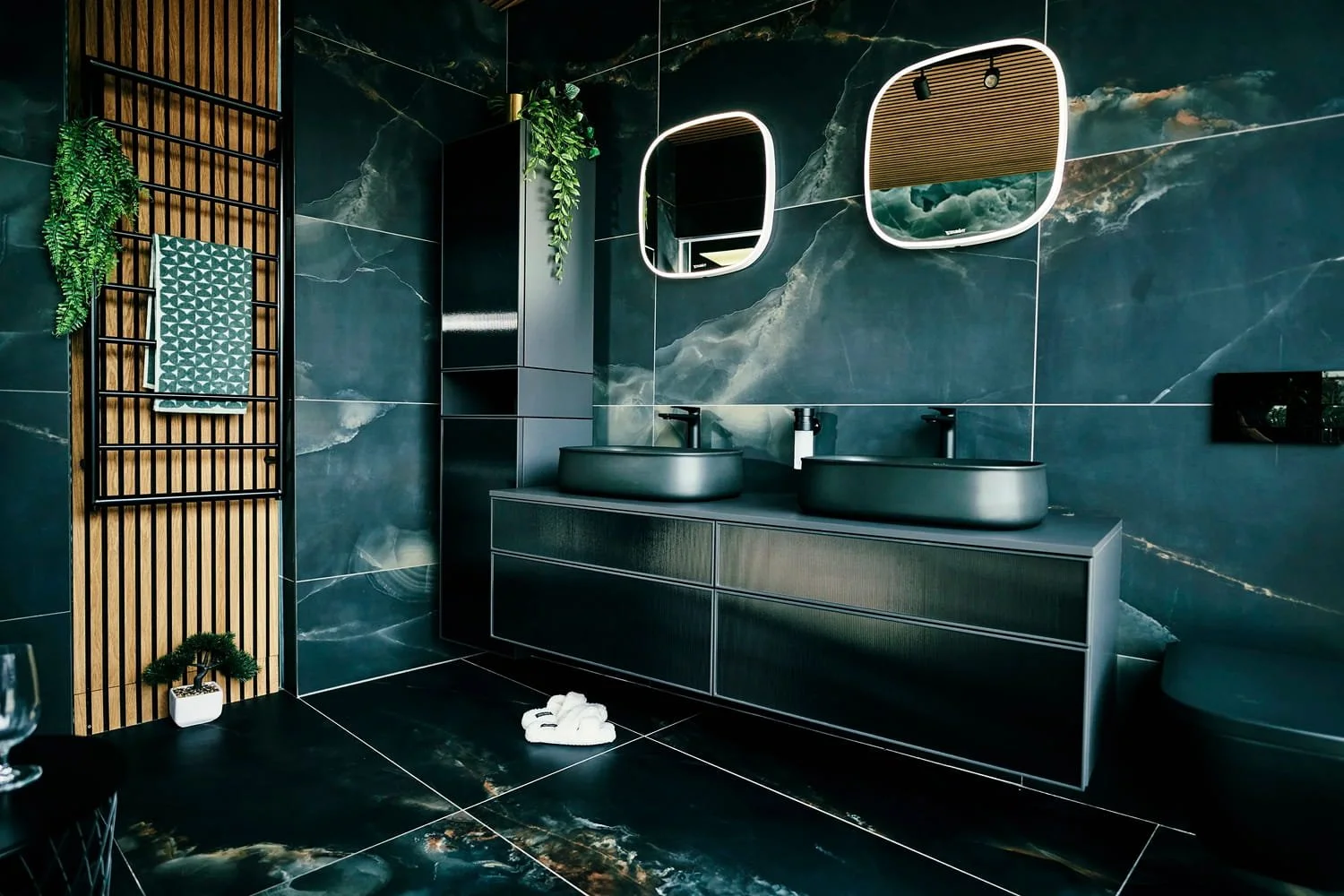
For those who want impact, dark colour drenching can be incredibly effective. Shades like charcoal, deep navy, forest green, and inky black create drama and intimacy when used confidently.
The key is balance. Dark colour drenching works best when combined with:
Good lighting (layered lighting rather than a single ceiling light)
Reflective surfaces such as mirrors or subtle gloss tiles
Lighter accents through flooring, sanitaryware, or stone finishes
Rather than making a bathroom feel smaller, a dark, drenched palette can make it feel intentional and cocooning, especially in en-suites and cloakrooms where atmosphere matters more than brightness.
Warm, Natural Tones
Warm natural tones are perfect if you want your bathroom to feel inviting rather than minimal. Terracotta, clay, soft browns, muted ochres, and warm taupes all fall into this category.
These shades pair beautifully with:
Natural wood vanity units
Stone or terrazzo-style tiles
Textured finishes rather than high gloss
Used for colour drenching, warm tones create a grounded, spa-like feel that works particularly well in biophilic and wellness-inspired bathrooms. They also soften architectural spaces, making them feel more lived-in and personal.
Colour Drenching with Tiles, Not Just Paint
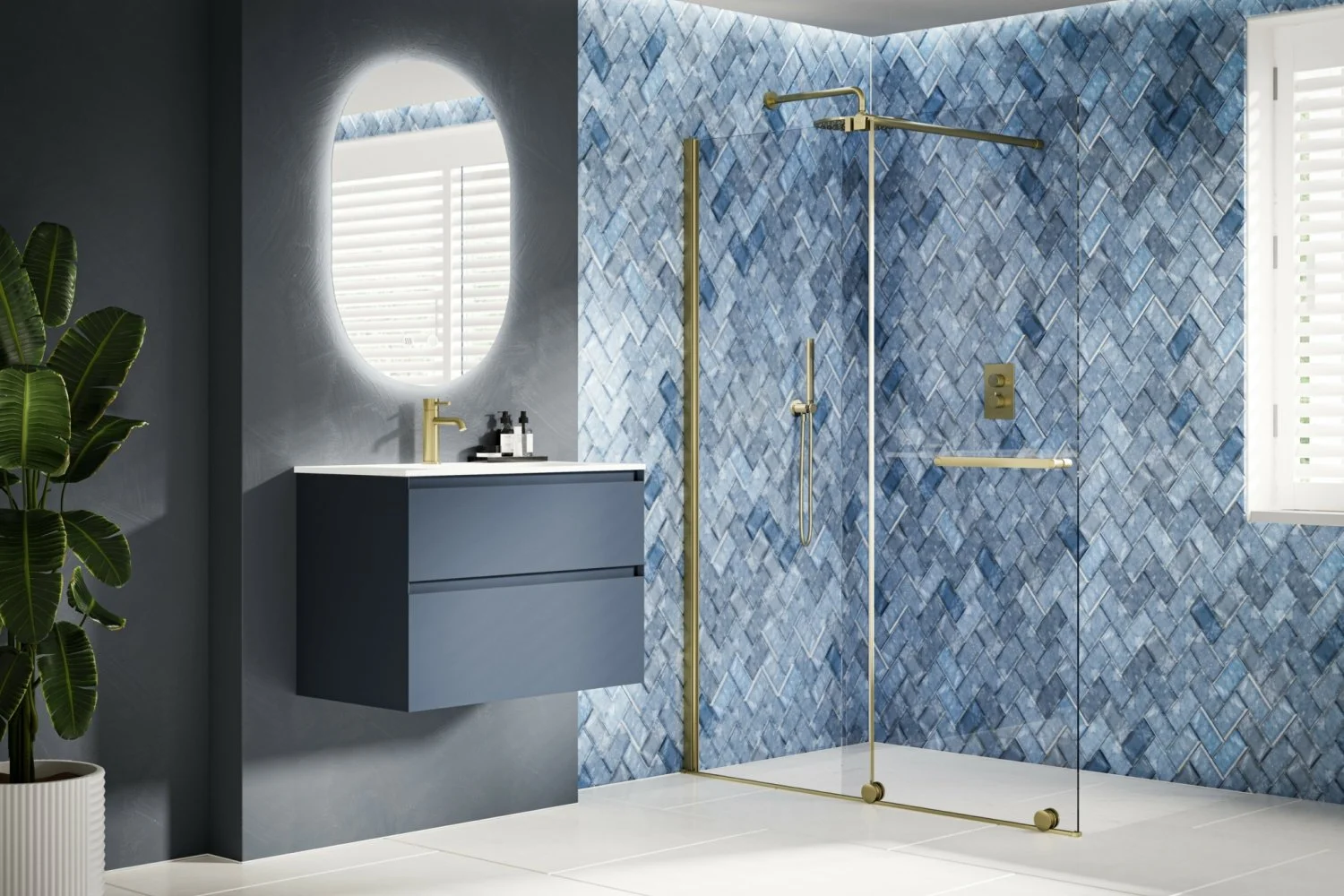
While colour drenching often starts with paint, some of the most striking bathrooms use tiles to achieve the effect. Tiles bring depth, texture, and durability, making them ideal for a space that needs to look good and work hard.
Using tiles as part of your colour-drenched scheme instantly elevates the room and gives it a more architectural feel.
Tile Drenching Explained
Tile drenching takes the idea one step further by using the same tile across multiple surfaces, walls, floors, and sometimes even ceilings or shower enclosures.
Rather than breaking the room up, this creates a seamless, immersive look. The eye moves smoothly around the space, making the bathroom feel more cohesive and often more spacious.
Tile drenching works especially well in:
Wetrooms and walk-in showers
En-suites and compact bathrooms
Enclosed or “room-style” showers
It is a bold choice, but one that feels considered rather than trendy when paired with timeless materials like stone-effect, concrete-look, or softly textured tiles.
Large Format Tiles for Seamless Colour
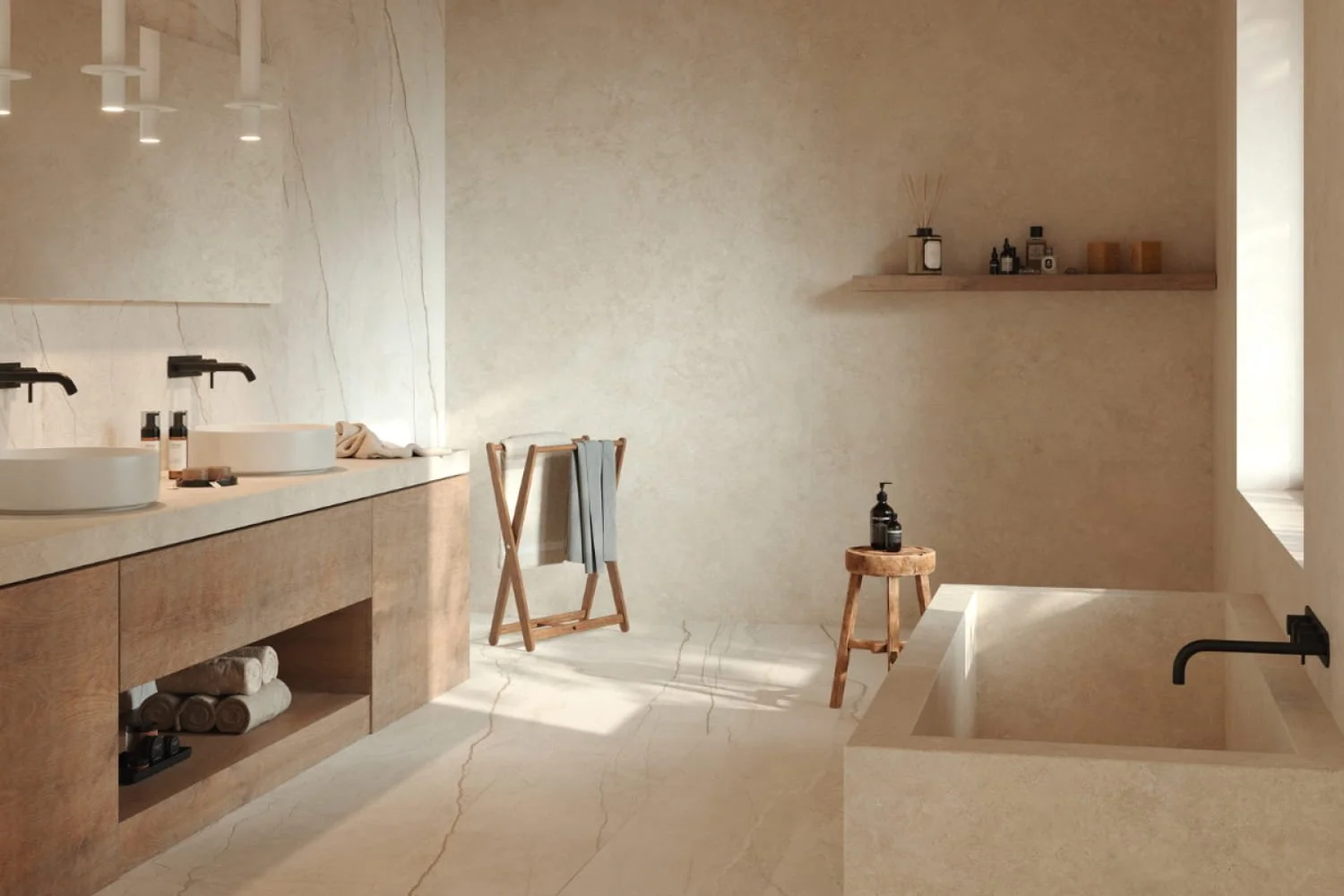
Large format tiles are a natural partner for colour drenching. Fewer grout lines mean less visual interruption, allowing the colour to take centre stage.
When used floor-to-ceiling, large tiles help create a clean, expansive look that feels calm and luxurious. Light neutrals enhance a sense of space, while darker shades create a dramatic, hotel-style atmosphere.
They are also practical. Less grout means easier cleaning, making them a smart choice for busy bathrooms.
Adding Texture Without Breaking the Palette
One of the most effective ways to add interest to a colour-drenched bathroom is through texture rather than contrast.
Fluted tiles, ribbed finishes, stone-effect surfaces, and matte textures all add depth while staying within the same colour family. This keeps the space visually rich without feeling busy.
A popular approach is to use textured tiles in the shower or behind the vanity, while keeping other surfaces smooth. The colour remains consistent, but the change in texture adds a subtle design moment.
Colour Drenching Across Different Bathroom Styles
One of the reasons colour drenching works so well is its versatility. It is not tied to one look or era. The same approach can feel soft and minimal in one bathroom, or bold and architectural in another. The difference lies in materials, textures, and finishes.
Colour Drenched Japandi Bathrooms
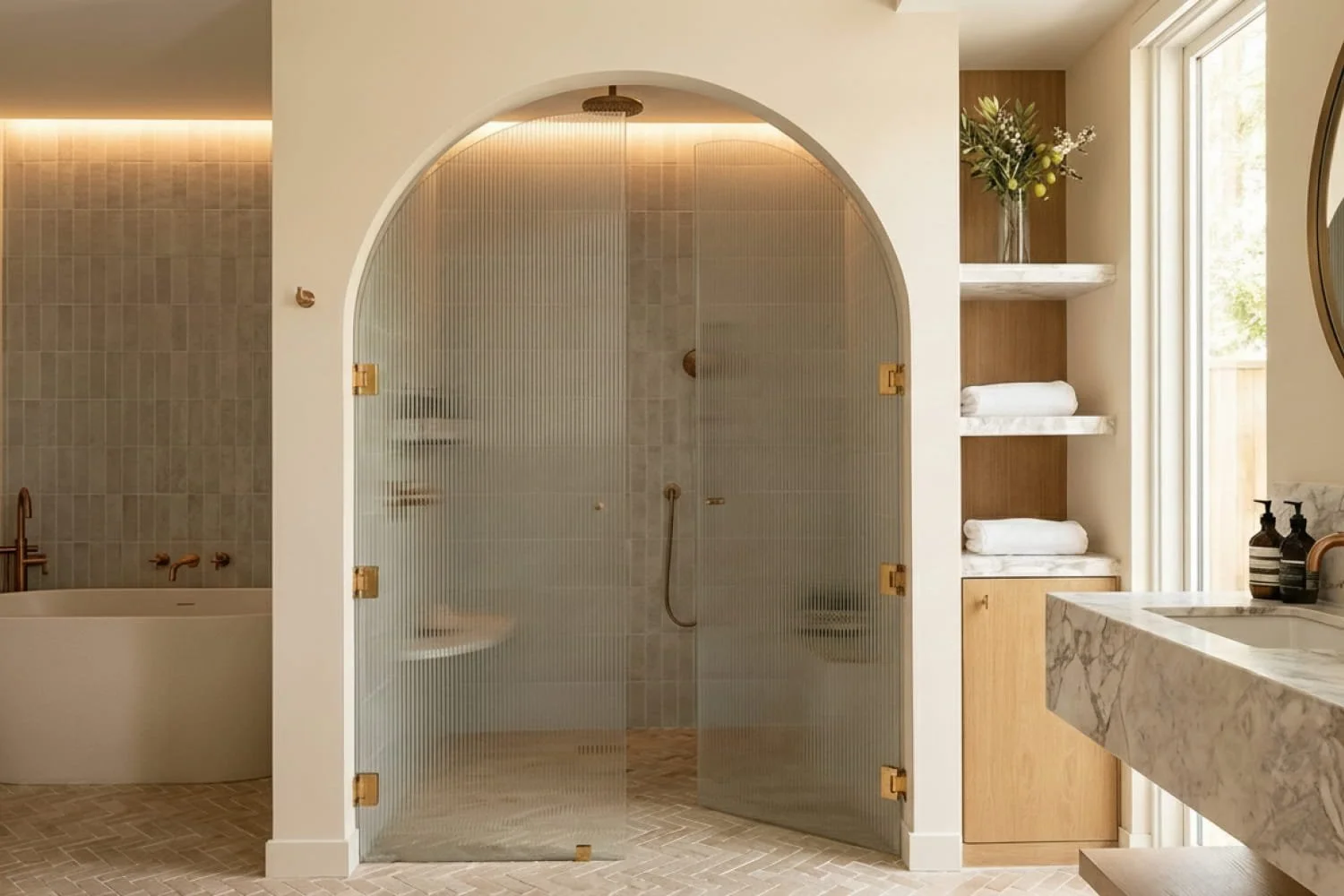
In Japandi-style bathrooms, colour drenching is subtle and calming. Soft neutrals, pale greys, warm stone, and muted beige tones work best here.
The focus is on simplicity and balance. A single colour palette runs through the walls and tiles, paired with light wood vanity units and minimal fittings. Texture comes from natural materials rather than decoration.
This approach creates a bathroom that feels peaceful and uncluttered, ideal if you want a space that helps you slow down at the beginning or end of the day.
Spa-Like Colour Drenched Bathrooms
For spa-inspired bathrooms, colour drenching creates a sense of retreat. Soft stone shades, warm greys, clay tones, and gentle greens are all popular choices.
These palettes work beautifully with:
Large walk-in showers or steam showers
Built-in or undermount baths
Soft, layered lighting
Keeping everything within one tonal range makes the bathroom feel cohesive and indulgent, rather than busy. It also allows features like rainfall showers or sculptural baths to stand out without competing with the background.
Bold Luxury and Architectural Bathrooms
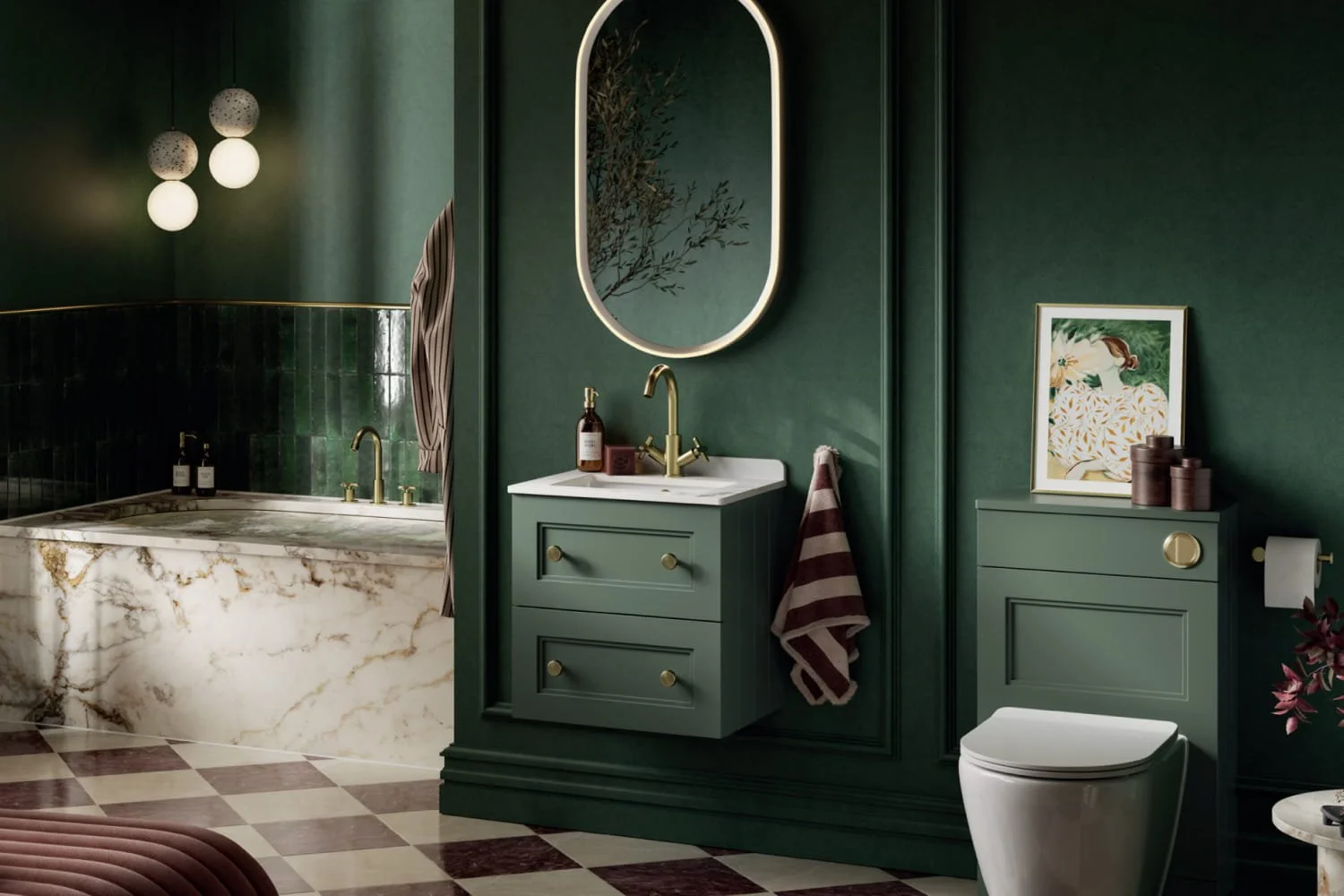
If you are drawn to a more dramatic look, colour drenching can be used to make a confident statement. Deep blues, charcoal, forest green, or even near-black shades create a rich backdrop for architectural features.
In these bathrooms, the colour is often paired with:
Carved stone basins or integrated vanities
Large-format tiles or tile-drenched wetrooms
Warm metal finishes for contrast
Traditional Bathrooms with a Colour Drenched Twist
Colour drenching is not just for modern spaces. In traditional bathrooms, it can add depth and elegance when used thoughtfully.
Heritage colours like deep navy, warm grey, soft sage, or muted taupe work beautifully with classic sanitaryware. Using the same colour across walls and woodwork creates a refined, cohesive look that feels considered rather than ornate.
Paired with brassware and marble-effect tiles, this approach updates traditional bathrooms without losing their character.
Finishes and Fixtures That Make Colour Drenching Work
Once you have chosen your colour palette, the finishes and fixtures are what bring the whole scheme together. In a colour-drenched bathroom, these elements should support the space, not compete with it.
Choosing the Right Metal Finishes
Metal finishes play a bigger role than many people realise. Against a unified colour backdrop, taps and hardware naturally stand out, so choosing the right finish is key.
Warm metals tend to work best with colour drenching. Brass, champagne bronze, and polished nickel add softness and warmth, preventing the space from feeling flat or cold. They also age beautifully, which helps future-proof the design.
Matte black can still work, particularly in darker, architectural bathrooms, but it tends to feel more striking and less forgiving. If longevity is your priority, warmer metals are often the safer choice.
Baths and Sanitaryware in a Colour-Drenched Space
When the walls and tiles carry the colour, sanitaryware should feel calm and considered. Clean lines and simple shapes allow the palette to shine.
In colour-drenched bathrooms, we are seeing a shift towards
Built-in or undermount baths that feel architectural
Softly curved freestanding baths in larger spaces
Wall-hung toilets and basins to keep the room feeling open
Keeping sanitaryware in classic white or soft neutral tones provides contrast without breaking the overall flow of the space.
Showers That Complement the Palette
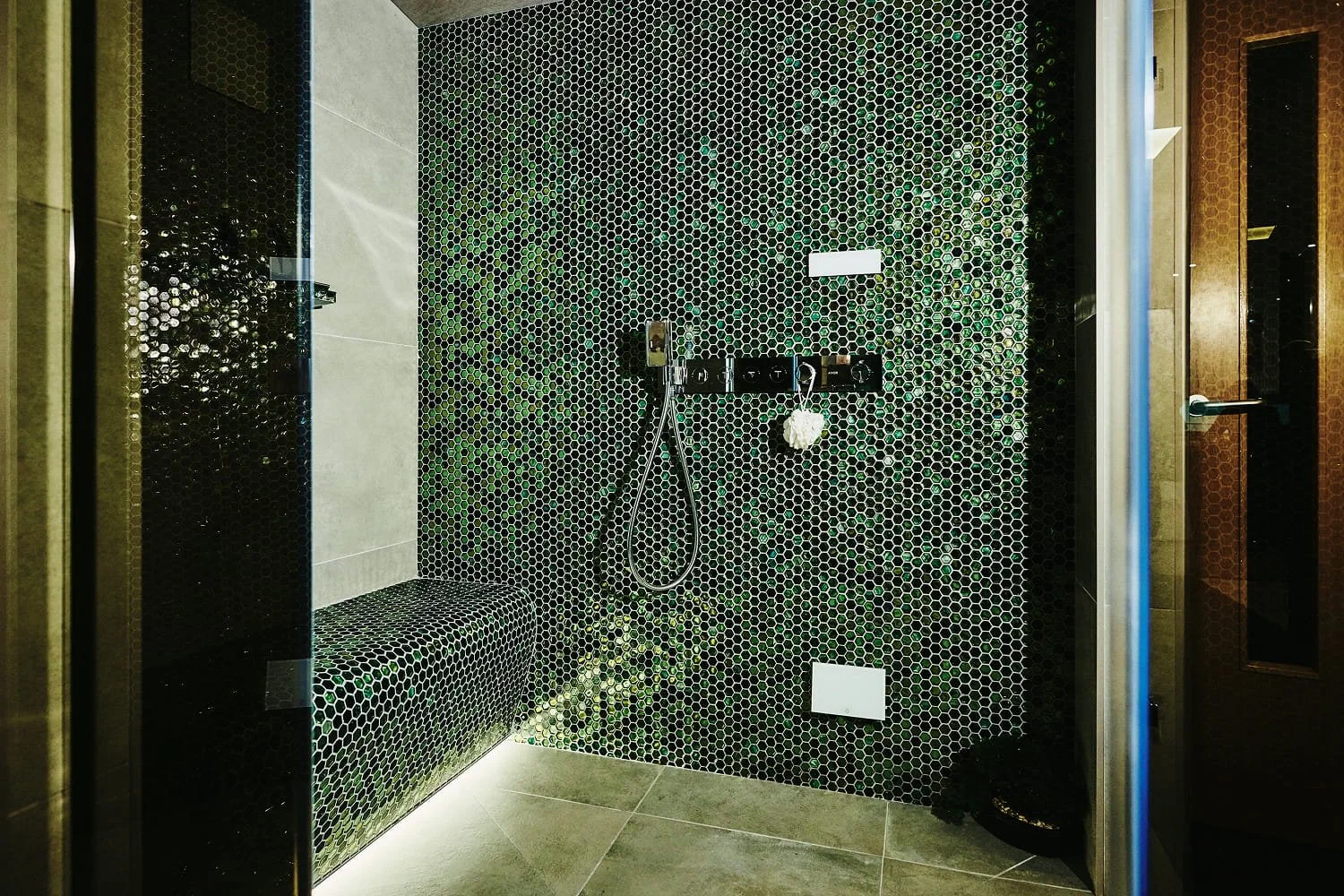
Large walk-in showers and wetrooms work beautifully with colour drenching. Using the same tile inside the shower as the rest of the bathroom creates continuity and enhances the immersive feel.
Enclosed or “room-style” showers are also becoming more popular. By giving the shower its own defined space, often with tiled walls and minimal glass, the bathroom feels more sophisticated and less cluttered.
Natural light through a window or skylight helps keep these spaces inviting rather than enclosed.
Why Choose Plumb Factory for a Colour Drenched Bathroom
Designing a colour-drenched bathroom is about more than choosing a paint or tile. It’s about understanding how colour, light, layout, and materials work together in a real space. That’s where expert guidance makes all the difference.
Expert Bathroom Design Support
At Plumb Factory, we help customers choose colours that will still feel right years from now. Rather than chasing microtrends, our designers focus on palettes and materials that offer longevity.
We consider how your bathroom is used, how much natural light it gets, and how different finishes will interact throughout the day. From layout planning to lighting placement and material selection, our advice is tailored to your home, not a one-size-fits-all look.
Luxury Tiles, Brassware, and Bathroom Products
Colour drenching works best when it’s supported by high-quality products. We stock a carefully curated range of tiles, brassware, and bathroom fittings chosen specifically for their durability and timeless design.
From large-format and textured tiles to warm metal finishes and architectural sanitaryware, our collections are designed to work seamlessly within colour-drenched schemes. Investing in quality materials ensures your bathroom not only looks beautiful but stands up to everyday use.
Showroom Inspiration and Installer Recommendations
Seeing colours and finishes in person makes all the difference. Our showroom allows you to experience how tiles, metals, and textures work together, and how lighting can change the feel of a colour.
We support you throughout the process, from initial inspiration to final decisions. While we don’t carry out installations ourselves, we can recommend trusted, experienced installers to help bring your design to life with confidence.
Colour Drenching Bathroom FAQs
Is colour drenching suitable for small bathrooms?
Yes, and it often works better than high-contrast designs. Using one colour across walls, tiles, and ceilings reduces visual breaks, which can make a small bathroom feel calmer and more cohesive rather than cramped.
Do I have to use the exact same colour everywhere?
No. The most successful colour-drenched bathrooms use variations within the same colour family. Mixing matte and gloss finishes, tiles and paint, or smooth and textured surfaces adds depth while keeping the overall look unified.
Is colour drenching better with tiles or paint?
Both work well. Paint is ideal for adding warmth and softness, while tiles bring durability and texture, especially in showers and wet areas. Many bathrooms combine the two, using tiles where practicality matters most and paint elsewhere.
Will a colour-drenched bathroom date quickly?
Not if you choose timeless colours and quality materials. Earthy neutrals, deep blues, soft greens, and warm clay tones have been used in interiors for decades. Avoid overly bright or novelty shades if longevity is your priority.
What colours work best in bathrooms with little natural light?
Mid-toned neutrals, warm greys, and soft taupes tend to perform better than very dark or very cool colours. Layered lighting and reflective surfaces, such as mirrors or satin-finish tiles, also help balance the space.
Can I still use white sanitaryware in a colour-drenched bathroom?
Absolutely. White sanitaryware provides contrast without disrupting the overall scheme and helps keep the bathroom feeling fresh and balanced.
How do I add interest without breaking the colour scheme?
Focus on texture rather than contrast. Fluted tiles, stone-effect surfaces, warm metal finishes, and thoughtful lighting all add character while staying within a cohesive palette.
Is colour drenching a good choice for family bathrooms?
Yes. When paired with durable tiles and easy-to-clean finishes, colour drenching can be both practical and long-lasting, especially in neutral or mid-tone palettes.