
Wet Room vs Traditional Bathroom: What’s Right for You?
When planning a new bathroom, one of the biggest decisions homeowners face is whether to choose a wet room or stick with a more traditional bathroom layout. Both options offer clear benefits, but they suit different homes, lifestyles, and priorities.
A wet room can deliver a modern, open feel and improved accessibility, while a traditional bathroom often provides familiarity, defined zones, and predictable costs. Understanding the differences between the two helps ensure you choose a solution that works not just visually, but practically as well.
This guide compares wet rooms and traditional bathrooms side by side, looking at design, practicality, space, and planning considerations to help you decide what’s right for your home.
What Is a Wet Room?
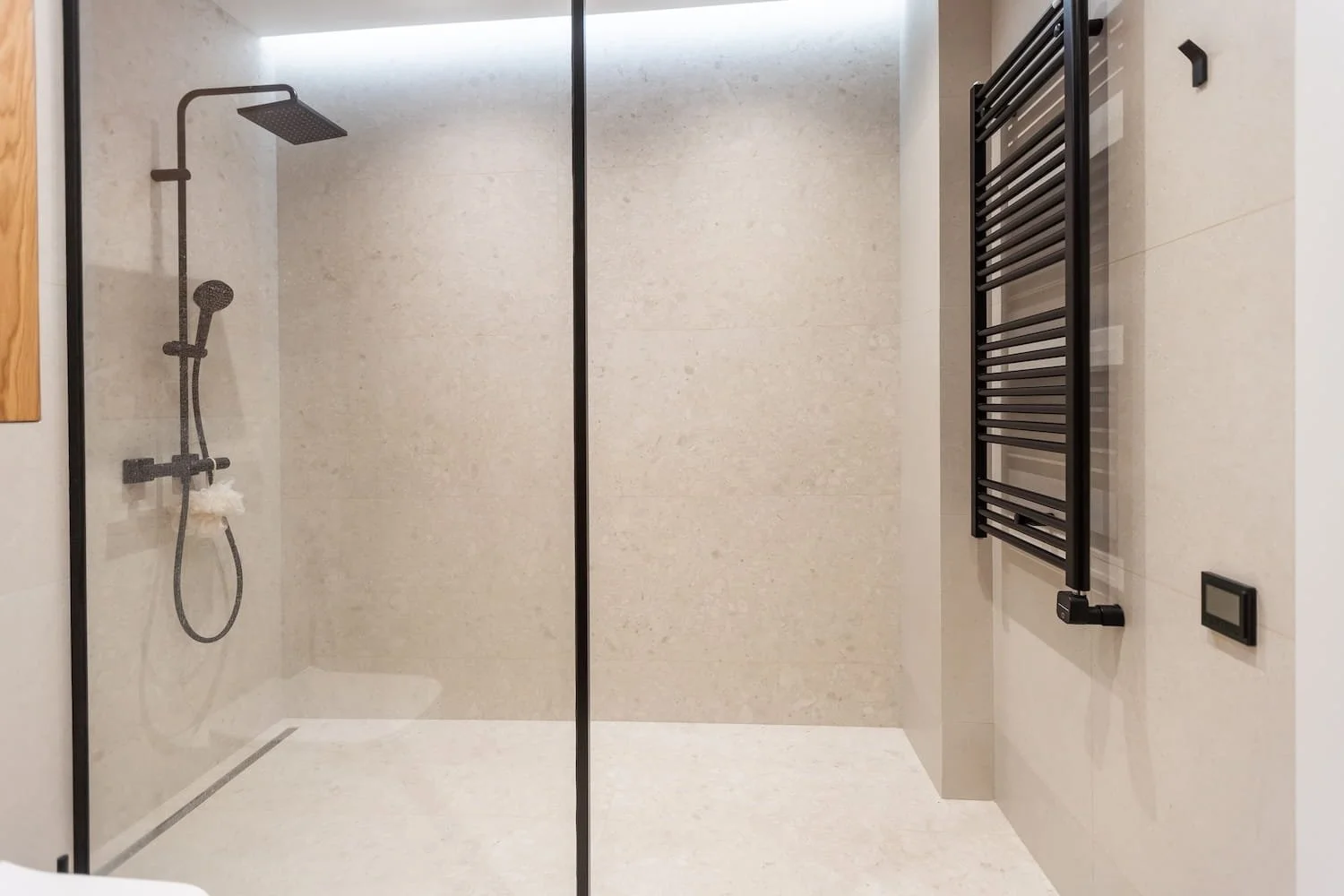
A wet room is a bathroom where the shower area is open and level with the rest of the floor. Rather than using a raised shower tray or enclosure, the entire room is designed to manage water exposure.
In a wet room, floors and walls are fully waterproofed, and the floor is subtly angled to guide water towards a drain. This creates a seamless, step‑free space that feels open and modern.
Because wet rooms rely on careful layout and waterproofing, they’re typically planned as bespoke spaces rather than standard bathroom solutions. Learning more about wet room design and planning can help clarify whether this type of bathroom would suit your home.
What Is a Traditional Bathroom?
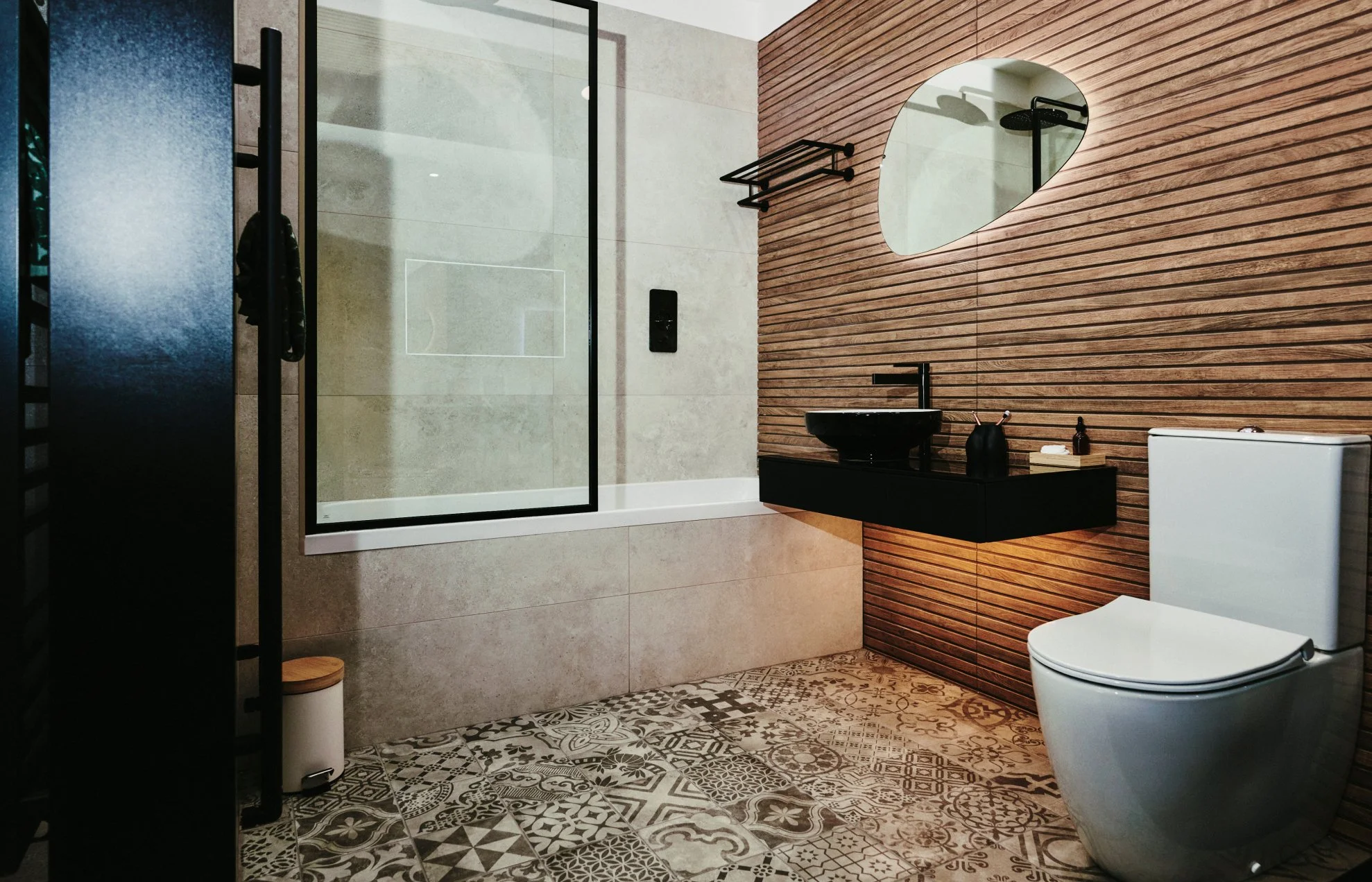
In the context of this article, a traditional bathroom usually features clearly defined areas for bathing and showering. This often includes a bath, a shower enclosure or tray, and separate fixtures arranged within a contained layout.
Traditional bathrooms remain popular because they’re familiar, flexible, and suitable for a wide range of property types. They can accommodate both baths and showers, making them a practical choice for family homes or shared bathrooms.
With well‑established layouts and materials, traditional bathrooms often offer more predictable planning and installation compared to wet rooms.
Key Differences at a Glance
While both wet rooms and traditional bathrooms serve the same purpose, they differ in how they’re designed and how they function day to day. Understanding these core differences makes it easier to assess which option aligns best with your needs.
Layout: Wet rooms use an open, level layout, while traditional bathrooms have defined zones for showers and baths.
Water Management: Wet rooms rely on full waterproofing and floor drainage, whereas traditional bathrooms contain water within trays or enclosures.
Accessibility: Wet rooms offer step‑free access, while traditional bathrooms may include raised trays or bath edges.
Installation Complexity: Wet rooms typically require more planning, while traditional bathrooms follow more standard layouts.
Maintenance: Both can be easy to maintain when well designed, but cleaning routines and materials may differ.
These differences don’t make one option better than the other — they simply suit different homes and preferences.
Design & Visual Impact
Bathroom design plays a major role in how a space feels and functions. Wet rooms and traditional bathrooms offer very different visual experiences.
Wet Room Design Appeal
Wet rooms are known for their minimalist, contemporary look. The absence of a shower enclosure or tray creates a clean, open feel that can make a bathroom appear larger and more streamlined.
This style is particularly popular in modern homes or en‑suite bathrooms where a sleek, uncluttered design is desired.
Traditional Bathroom Design Flexibility
Traditional bathrooms offer greater flexibility in layout and styling. Defined zones make it easier to include both a bath and a shower, and the layout can be adapted to suit a wide range of property types.
From classic to contemporary, traditional bathrooms can be styled in many ways, which is one reason they remain a popular choice.
Practicality & Everyday Use
Beyond appearance, the way a bathroom works day to day is often what matters most. Wet rooms and traditional bathrooms differ in how they support everyday routines, cleaning, and shared use.
Ease of Use and Accessibility
Wet rooms are often praised for their ease of access. With no steps or raised shower trays, they allow for unrestricted movement within the space. This can be particularly beneficial for those thinking about long‑term accessibility or reduced mobility.
Traditional bathrooms, while not always step‑free, are still practical for many households. Baths and shower enclosures can offer a sense of separation that some users prefer, particularly in shared or family bathrooms.
Cleaning and Maintenance
Wet rooms can be straightforward to clean when designed properly, but their open layout means water can reach more surfaces. Material choices and layout planning play a big role in how easy the space is to maintain.
Traditional bathrooms contain water within defined areas, which can simplify cleaning routines. However, enclosures, trays, and bath panels may require more detailed cleaning over time.
Suitability for Family Bathrooms
For family homes, traditional bathrooms often provide greater versatility. The ability to include both a bath and a shower makes them practical for households with children or varying preferences.
Wet rooms can still work in family settings, but they tend to be more popular in en‑suites or secondary bathrooms where accessibility or design is the priority.
Space Considerations
The amount of space available, and how it’s used, plays a major role in choosing between a wet room and a traditional bathroom. While both options can work in small or large rooms, they do so in different ways.
Wet Rooms in Smaller Bathrooms
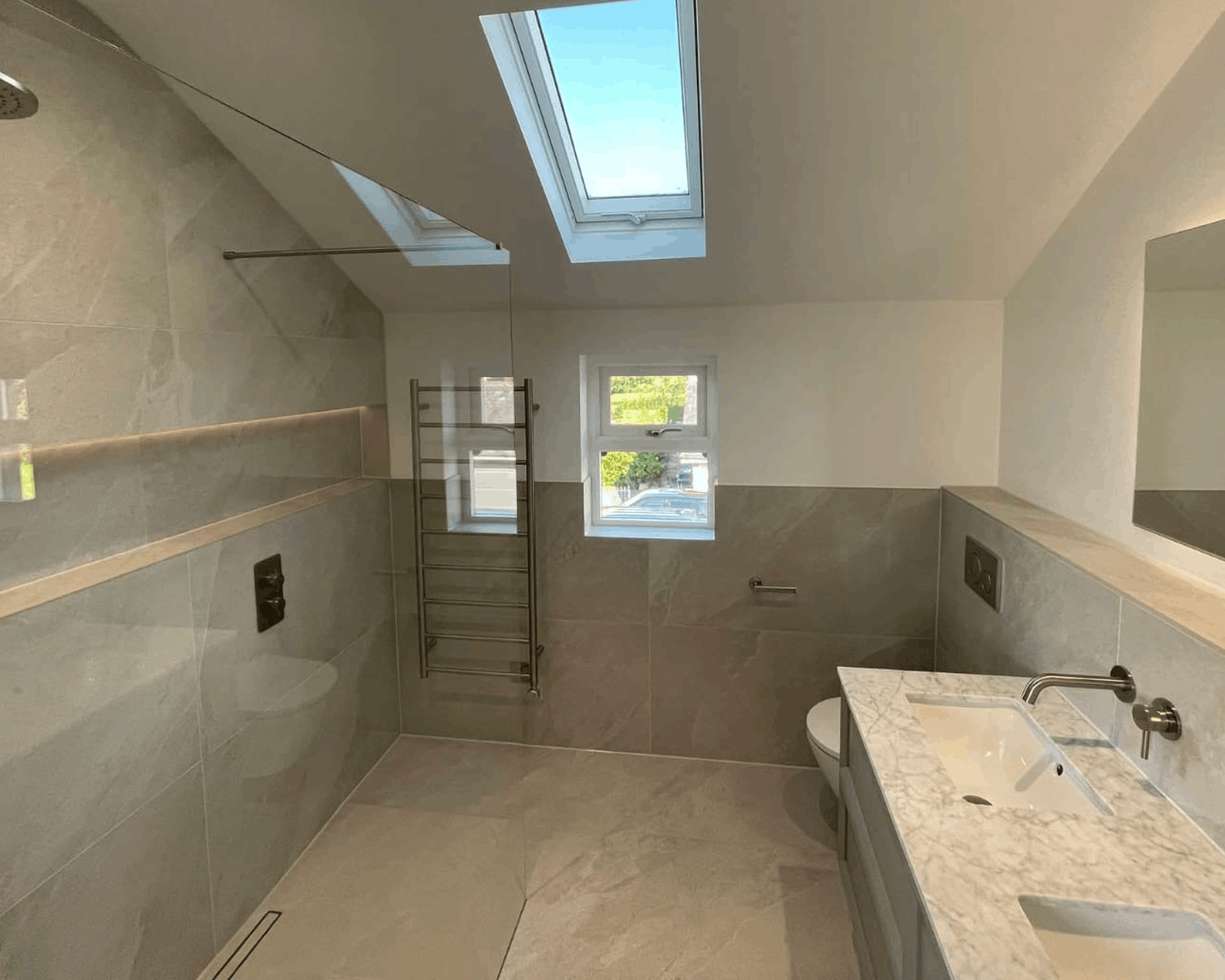
In smaller bathrooms, wet rooms can create a strong sense of openness. Removing a bulky shower enclosure can make the room feel less cluttered and more spacious, even if the overall footprint stays the same.
That said, careful planning is essential to ensure water is well managed and the space remains practical. A wet room isn’t automatically the best solution for every small bathroom, but it can work well when thoughtfully designed.
Traditional Bathrooms in Smaller Spaces
Traditional bathrooms can also be highly effective in compact spaces. Clever layouts, slimline fixtures, and well‑placed enclosures allow for efficient use of available room.
Defined zones can help keep water contained, which some homeowners find more practical in smaller bathrooms used daily.
Larger Bathrooms and Layout Flexibility
In larger bathrooms, both options offer flexibility. Wet rooms can create a luxurious, open feel, while traditional bathrooms allow for clearly defined areas and multiple features, such as a bath and separate shower.
The choice often comes down to how the space will be used and whether openness or separation is preferred.
Cost & Planning Considerations
Cost and planning are often decisive factors when choosing between a wet room and a traditional bathroom. While both options can be tailored to suit different budgets, they differ in how predictable those costs tend to be.
Wet Room Cost Considerations
Wet rooms typically involve more preparation than traditional bathrooms. Full waterproofing, careful drainage planning, and bespoke layouts all contribute to the overall cost.
Because wet rooms are designed around the space, costs can vary significantly depending on the existing structure of the bathroom and the level of work required.
Traditional Bathroom Cost Considerations
Traditional bathrooms usually offer more predictable costs. Standard layouts, familiar materials, and contained shower areas make planning more straightforward.
This can make traditional bathrooms an appealing option for homeowners working within a defined budget or timeframe.
Planning Before Making a Decision
Regardless of which option you choose, planning is essential. Understanding how layout, structure, and long‑term use affect the space helps prevent unexpected changes later on.
Learning more about wet room design and planning can be particularly helpful when weighing up whether a wet room is the right solution for your home.
Which Option Adds More Long‑Term Value?
When choosing between a wet room and a traditional bathroom, long‑term value is about more than just resale potential. How well the bathroom suits your lifestyle over time plays an equally important role.
Lifestyle Value vs Resale Value
Wet rooms are often associated with modern design and accessibility, which can be appealing to certain buyers. Their step‑free layout may also suit long‑term living, particularly for homeowners planning ahead.
Traditional bathrooms, however, remain familiar and versatile. The inclusion of a bath can be a strong selling point for families, which is why many homes continue to favour this layout.
Accessibility and Future‑Proofing
From a future‑proofing perspective, wet rooms can offer advantages. Their open design makes them easier to adapt as needs change, without major structural alterations.
That said, a well‑designed traditional bathroom can also be practical long‑term, especially when accessibility considerations are factored into the layout.
Quality of Design Matters Most
Ultimately, the quality of planning and design has more impact on long‑term value than the type of bathroom itself. A thoughtfully planned space, whether a wet room or a traditional bathroom, is more likely to remain functional and appealing over time.
Understanding wet room design considerations can help when assessing whether a wet room would add lasting value to your home.
How to Decide What’s Right for You
Choosing between a wet room and a traditional bathroom comes down to how you want the space to work, both now and in the future. Asking the right questions can make the decision much clearer.
Questions to Ask Yourself
Before deciding, it helps to consider:
How will the bathroom be used day to day?
Who will be using the space, and will that change over time?
Is accessibility a priority now or in the future?
Do you prefer an open layout or clearly defined zones?
Are you working within a fixed budget?
Answering these questions helps narrow down which option aligns best with your lifestyle and expectations.
When a Wet Room May Be the Right Choice
A wet room may suit your home if:
You value a modern, minimalist design
Step‑free access is important
You’re planning for long‑term living
The space allows for thoughtful drainage and waterproofing
In these cases, learning more about bespoke wet room planning can help clarify what’s involved and whether the approach suits your property.
When a Traditional Bathroom May Be a Better Fit
A traditional bathroom may be more suitable if:
You want the option of both a bath and a shower
The bathroom is used by a family
Budget predictability is a priority
You prefer a more conventional layout
Neither option is inherently better, the right choice is the one that works best for your home and how you live in it.