
How to Choose the Best Sink for Your Bathroom
Choosing the right sink is a key part of any bathroom upgrade. While it might seem like a simple decision, the sink you choose affects how your bathroom looks, how practical it is to use, and how well the space works day to day.
The best bathroom sinks aren’t just about style, they need to suit the size of your room, work with your storage needs, and be made from materials that last in a high‑moisture environment.
This guide explains the different types of bathroom sinks, the best options for small bathrooms, common sink shapes, and the best materials to choose from. Whether you’re updating a compact cloakroom or refreshing a family bathroom, this guide will help you choose the right sink with confidence.
At Plumb Factory, we supply bathroom products and offer a free bathroom design service to help you plan your space before you buy.
Types of Bathroom Sinks Explained
There are several types of bathroom sinks available, each suited to different room sizes, layouts, and styles. Understanding the differences makes it much easier to choose the best sink for your bathroom.
Pedestal Sinks
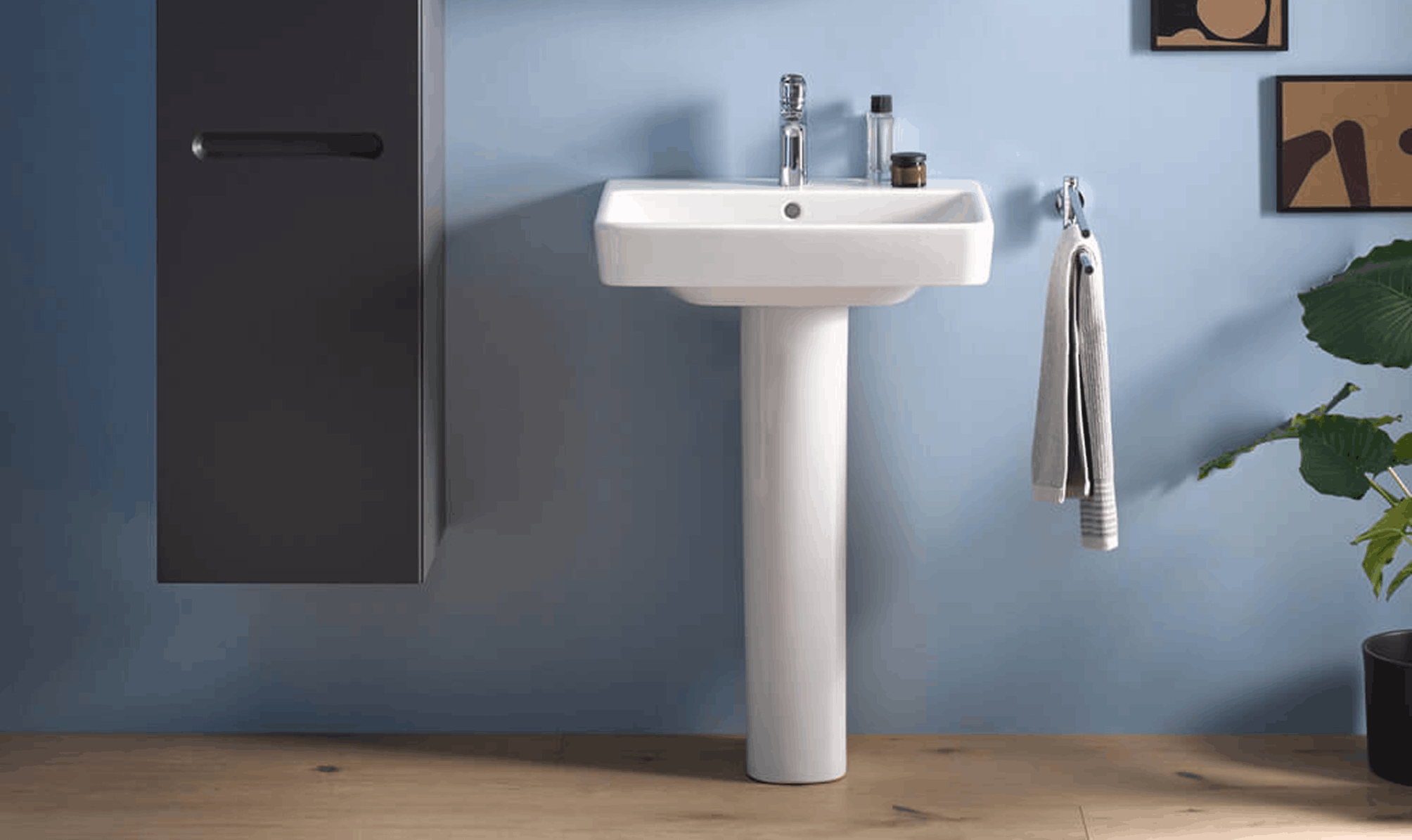
Pedestal sinks are a classic and widely used option in UK bathrooms.
Pros:
Timeless design
Compact footprint
Works well in smaller bathrooms
Cons:
Little to no storage
Pipework is only partially concealed
Pedestal sinks are a good choice if you want a simple, traditional look and don’t need additional storage.
Wall‑Mounted Sinks
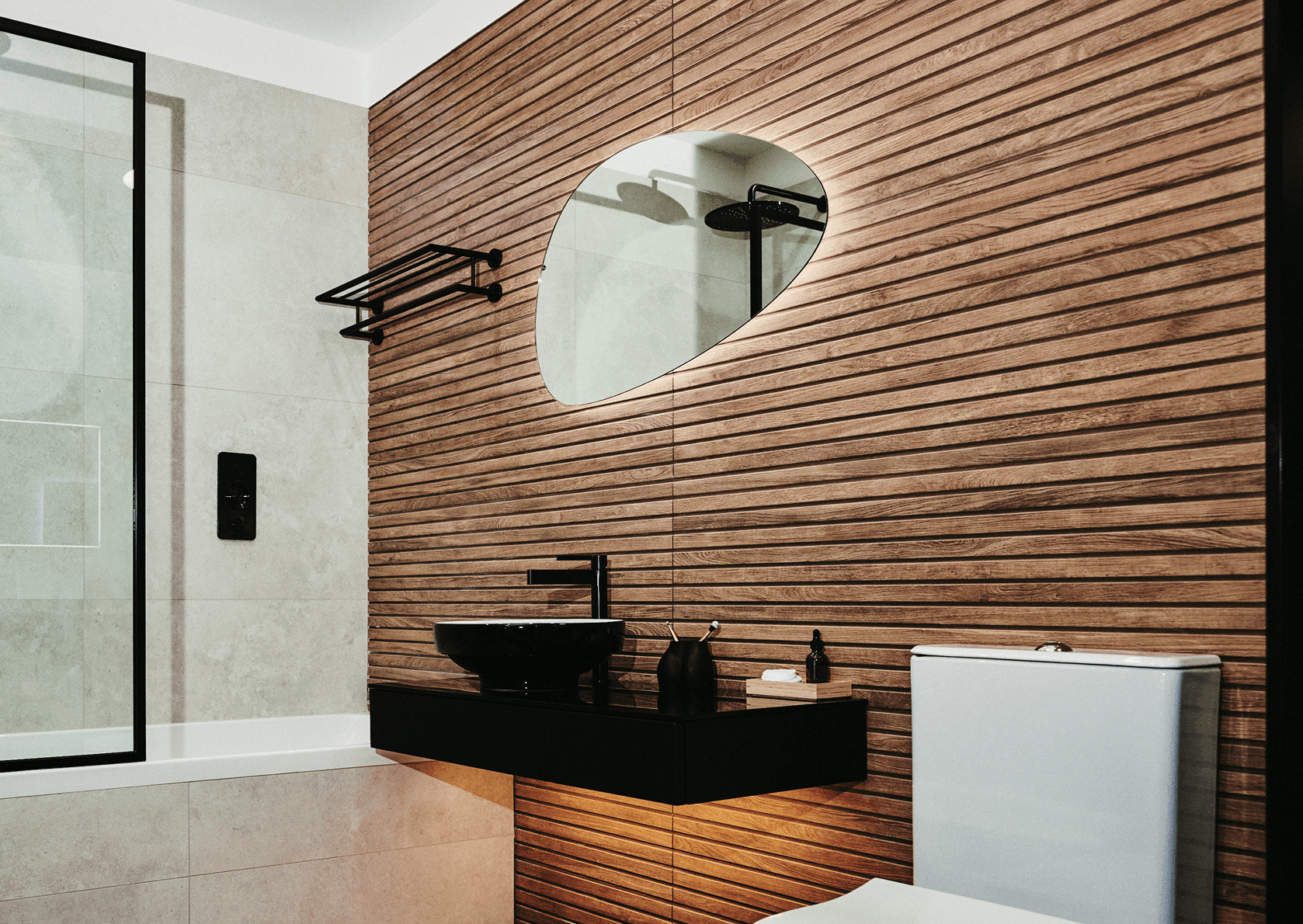
Wall‑mounted sinks are fixed directly to the wall, with no pedestal or unit underneath.
Pros:
Excellent for small bathrooms
Creates a more open, spacious feel
Easy to clean underneath
Cons:
No built‑in storage
Requires solid wall support
This type is often considered one of the best sinks for small bathrooms, especially where floor space is limited.
Vanity Unit Sinks
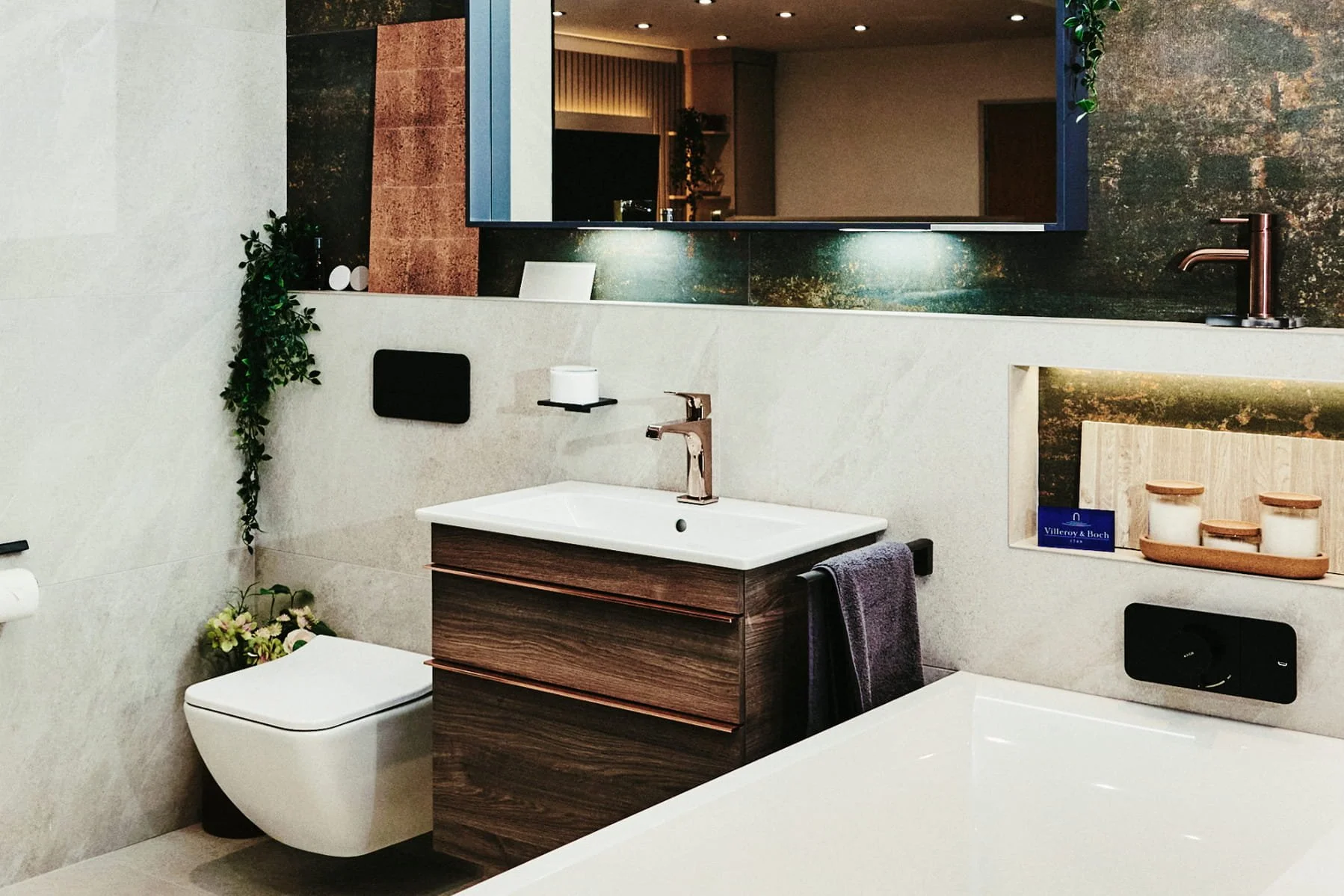
Vanity unit sinks combine a basin with a storage unit underneath.
Pros:
Built‑in storage for toiletries
Conceals pipework
Ideal for family bathrooms
Cons:
Requires more floor space than wall‑mounted sinks
Vanity sinks are among the best bathroom sinks for everyday use, especially in busy households where storage is essential.
Countertop / Vessel Sinks
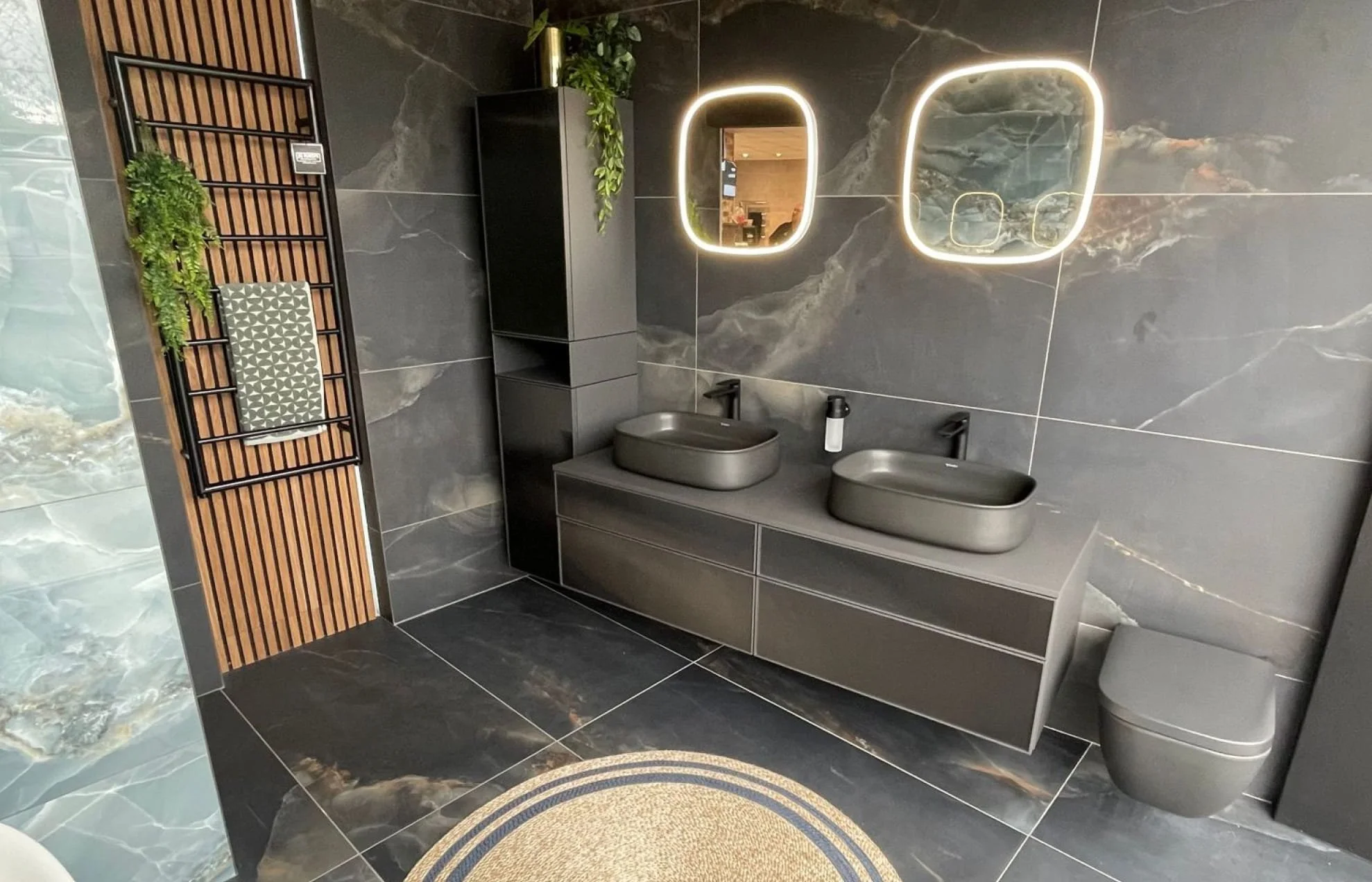
Countertop sinks sit on top of a vanity unit or worktop and are a popular choice in modern, design‑led bathrooms.
Pros:
Strong visual impact
Wide range of shapes and materials
Cons:
Requires careful tap and height planning
Can reduce usable counter space
These sinks are best suited to larger bathrooms or en‑suites where design is a priority.
Semi‑Recessed Sinks
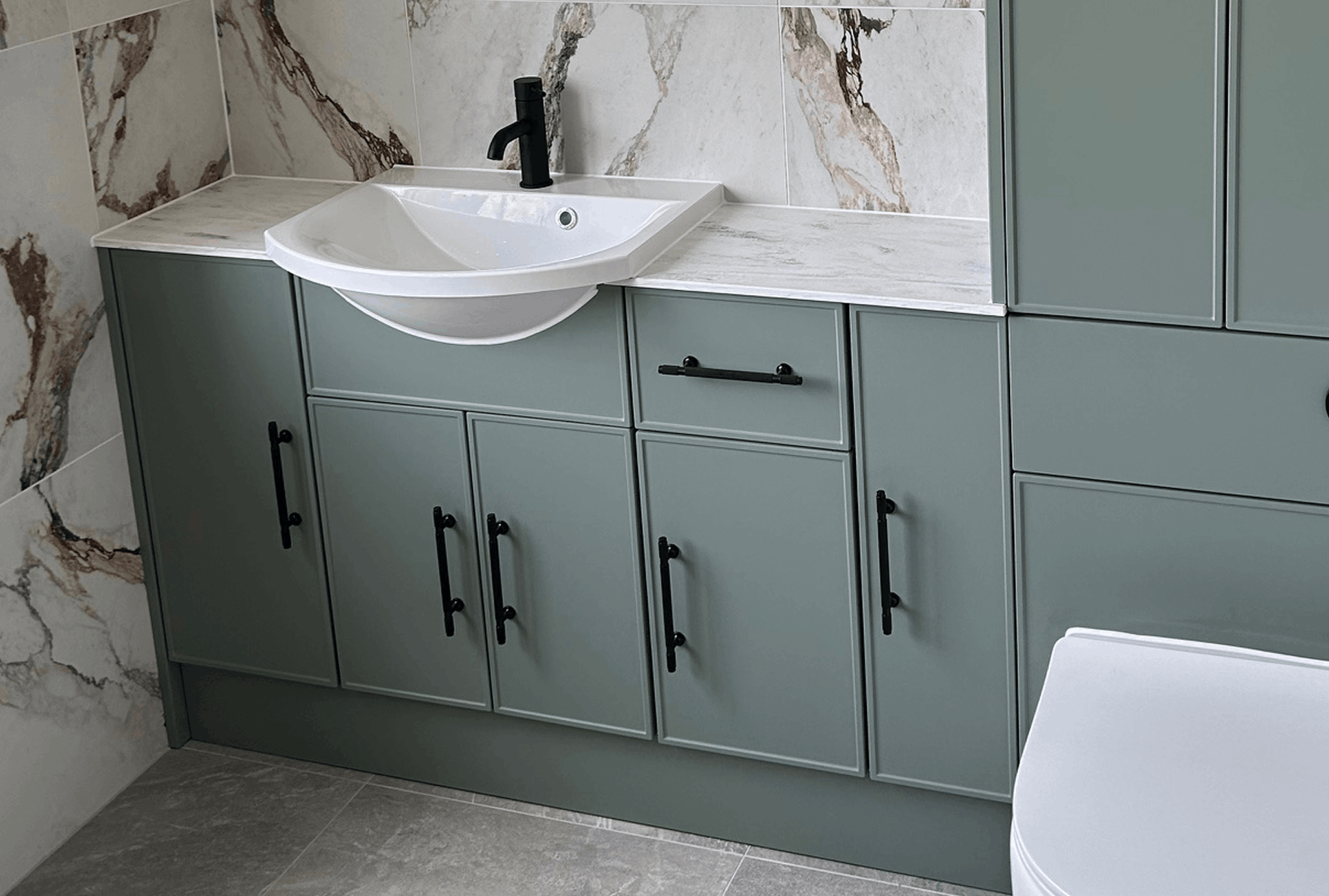
Semi‑recessed sinks project slightly beyond the front of a vanity unit, allowing them to work with shallower furniture.
Pros:
Ideal for compact bathrooms
Offers storage without taking up too much space
Comfortable to use
Cons:
Fewer style options than standard basins
Semi‑recessed basins are often one of the best sink types for small bathrooms where depth is limited.
Best Sink for a Small Bathroom
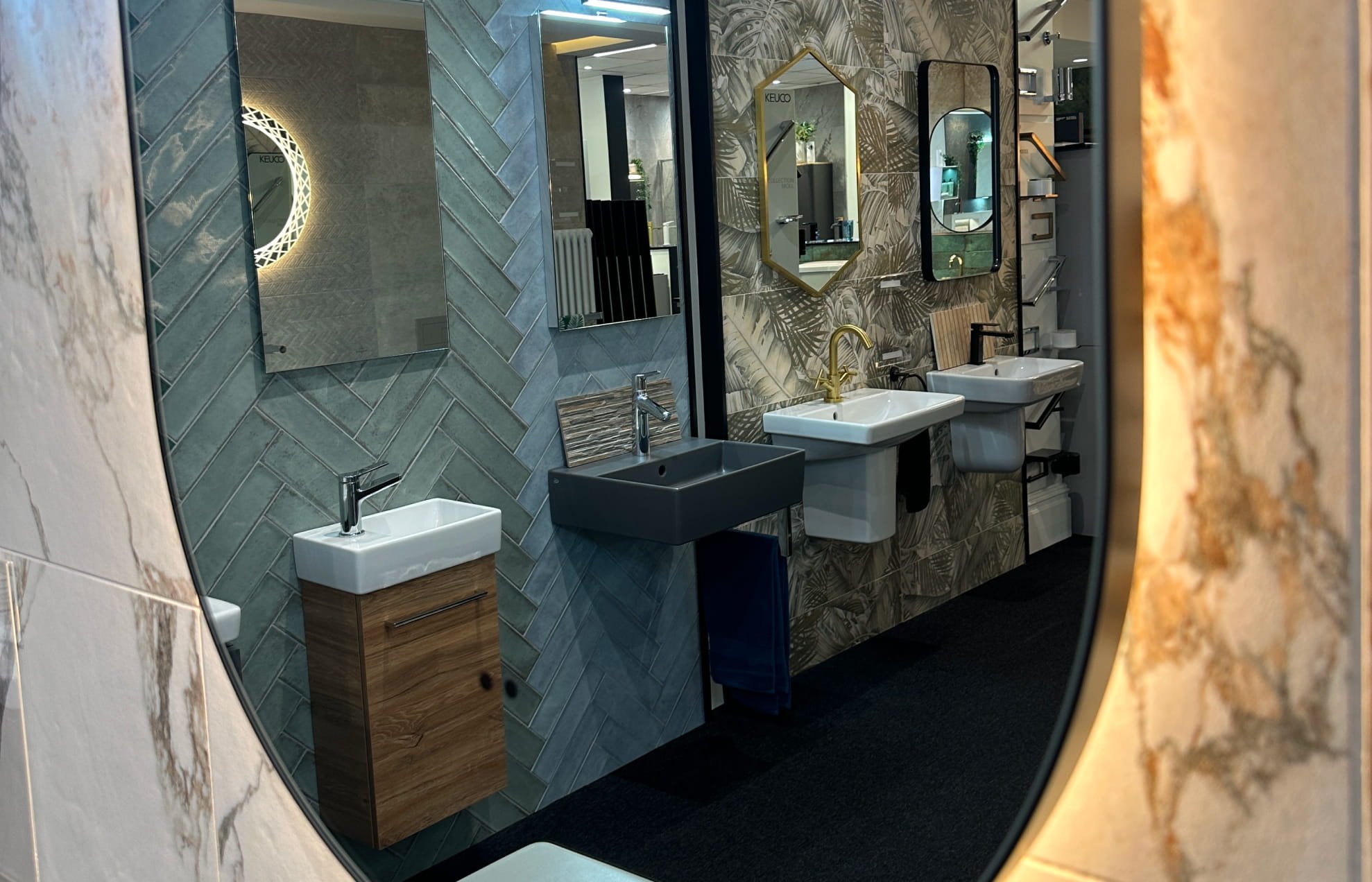
Choosing the best sink for a small bathroom is all about balancing usability with space efficiency. In compact rooms, the right sink can make the space feel open and comfortable, while the wrong choice can make it feel cramped.
What Makes a Sink Suitable for Small Bathrooms?
When space is limited, focus on:
Projection (depth) – how far the sink extends into the room
Mounting style – wall‑mounted or compact units save floor space
Clearance – enough room to move comfortably
Reducing depth is often more important than reducing width in narrow bathrooms.
Best Sinks for Small Bathrooms
Some sink types work particularly well in compact spaces.
Wall‑Mounted Sinks
Wall‑mounted sinks are one of the best sinks for small bathrooms because they keep the floor clear and create a more open feel.
They’re ideal for:
Cloakrooms
En‑suites
Very narrow bathrooms
Semi‑Recessed Sinks
Semi‑recessed basins allow you to have storage without using a deep vanity unit.
They’re a practical choice when:
Furniture depth is restricted
Storage is still required
Space is tight but functionality matters
Compact Vanity Unit Sinks
Compact vanity units combine a small basin with essential storage.
These are often the best sink option for small family bathrooms, where storage is needed but space is limited.
Corner Sinks
Corner sinks are designed to sit neatly into the corner of a room, making them ideal for:
Very small cloakrooms
Awkward layouts
They’re a niche option but can be extremely effective in the right space.
Sinks to Avoid in Small Bathrooms
In compact bathrooms, some sink styles can create problems:
Large countertop or vessel sinks
Deep vanity units that restrict movement
Oversized basins with excessive projection
Careful planning ensures the sink doesn’t dominate the room.
Why Planning Matters in Small Spaces
In small bathrooms, even a few centimetres can make a big difference. Planning the layout before buying helps ensure doors open freely, storage remains accessible, and the sink is comfortable to use.
Using a bathroom design service can help visualise how different sink options will work in your space before making a final decision.
Bathroom Sink Shapes Explained
The shape of your sink plays a big role in how your bathroom looks and how easy it is to use. Different sink shapes suit different layouts, room sizes, and design styles, so choosing the right one can improve both appearance and practicality.
Round and Oval Sinks
Round and oval sinks have softer edges and a more fluid shape.
Best for:
Small bathrooms
Tight spaces where movement is limited
Softening modern or minimalist designs
Because there are no sharp corners, these shapes are often more comfortable to move around in compact bathrooms.
Square Sinks
Square sinks are popular in modern and contemporary bathrooms.
Best for:
Clean, minimalist designs
Straight‑lined layouts
Wall‑mounted or vanity unit installations
While visually striking, square sinks can feel more prominent in smaller bathrooms, so size and projection should be carefully checked.
Rectangular Sinks
Rectangular sinks are one of the most versatile bathroom sink shapes.
Best for:
Vanity units
Family bathrooms
Shared bathrooms with wider units
They offer generous basin space and work well with storage‑focused layouts.
Corner Sinks
Corner sinks are designed to maximise space by fitting neatly into unused corners.
Best for:
Very small bathrooms
Cloakrooms
Awkward or narrow layouts
They’re highly practical but typically more function‑focused than design‑led.
Asymmetrical Sink Shapes
Some sinks feature off‑centre bowls or uneven shapes.
Best for:
Compact vanity units
Bathrooms where storage is prioritised
Modern designs
These shapes can be particularly useful when space is limited but storage is still needed.
Choosing the Right Sink Shape
When selecting a sink shape, consider:
The size of your bathroom
How close the sink is to doors or walkways
Whether the sink will be wall‑mounted or part of a unit
The right shape can help a bathroom feel more spacious and comfortable, especially in smaller rooms.
Best Bathroom Sink Material
Choosing the right material is just as important as choosing the right sink style or shape. The best bathroom sink material should be durable, easy to clean, and suitable for a high‑moisture environment.
Below is a clear breakdown of the most common materials and where each works best.
Ceramic Sinks
Ceramic is the most popular and widely used bathroom sink material in UK homes.
Why it works well:
Durable and long‑lasting
Easy to clean and maintain
Resistant to stains and moisture
Available in a wide range of styles
For most homes, ceramic is considered the best material for a bathroom sink due to its balance of affordability, durability, and ease of care.
Porcelain Sinks
Porcelain sinks are similar to ceramic but often have a slightly finer finish.
Why choose porcelain:
Smooth, glossy appearance
Traditional look
Easy to maintain
Porcelain is a solid choice for classic or traditional bathroom designs.
Resin and Solid Surface Sinks
Resin and solid surface sinks are popular in modern bathrooms.
Why they’re popular:
Sleek, contemporary appearance
Seamless designs with integrated units
Available in matte and modern finishes
Things to consider:
Can be more expensive than ceramic
May require gentler cleaning products
These materials are ideal for design‑led bathrooms where aesthetics are a priority.
Glass Sinks
Glass sinks are often chosen for their visual impact.
Pros:
Modern and eye‑catching
Works well in guest bathrooms or en‑suites
Cons:
Shows water marks more easily
Requires more frequent cleaning
Glass sinks are best suited to low‑use bathrooms rather than busy family spaces.
Stone and Natural Materials
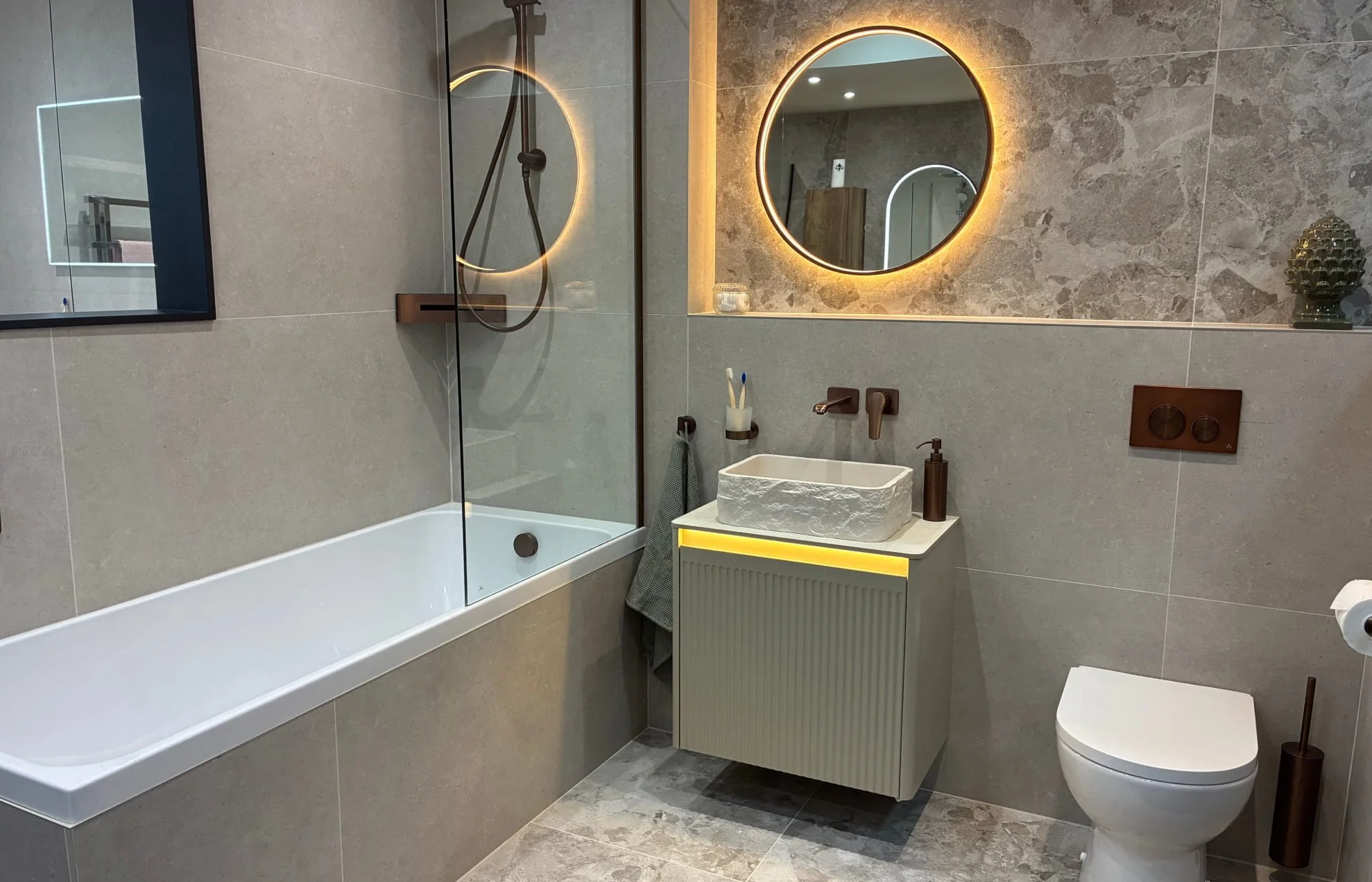
Natural stone sinks offer a premium, high‑end look.
Pros:
Unique appearance
Luxurious feel
Cons:
Heavier and more expensive
Requires sealing and careful maintenance
Stone sinks are usually chosen for statement bathrooms where design outweighs practicality.
Which Sink Material Is Best?
For most households:
Ceramic offers the best overall performance
Resin or solid surface suits modern designs
Glass and stone work best in low‑traffic or feature bathrooms
Choosing the right material ensures your sink looks good and performs well for years to come.
How to Choose the Best Bathroom Sink for Your Space
Choosing the best bathroom sink comes down to how well it fits your space, your daily routine, and your storage needs. Bringing these factors together helps ensure your sink looks good and works properly long term.
Consider Your Bathroom Size and Layout
The size and layout of your bathroom should guide your choice more than trends.
Small bathrooms benefit from wall‑mounted, semi‑recessed, or compact vanity sinks
Larger bathrooms offer more flexibility, including countertop or wider vanity sinks
Always check the sink’s projection to ensure there’s enough room to move comfortably.
Think About Storage Needs
Storage is often overlooked when choosing a sink.
Pedestal and wall‑mounted sinks offer little to no storage
Vanity unit sinks provide built‑in storage for everyday items
For family bathrooms, a vanity sink is often the most practical option.
Check Tap Compatibility
Not all sinks work with all taps.
Before choosing, check:
Number of tap holes
Tap height and reach
Compatibility with countertop or wall‑mounted taps
Planning taps and sinks together avoids costly mistakes later.
Match the Sink to How the Bathroom Is Used
Consider who uses the bathroom and how often.
Family bathrooms need durable, easy‑clean sinks
Guest bathrooms can prioritise design
En‑suites often benefit from compact, space‑saving sinks
The best sinks for small bathrooms are those that balance comfort with efficiency.
Balance Budget and Long‑Term Value
While it’s tempting to choose the cheapest option, investing in a well‑made sink can improve durability and ease of maintenance.
Ceramic sinks, in particular, offer excellent long‑term value for most homes.
Why Bathroom Design Matters
Planning your bathroom layout before buying helps ensure everything works together properly. A well‑designed layout prevents clearance issues and helps you choose the right sink for your space.
Plumb Factory offers a free bathroom design service to help customers visualise their bathroom and make confident product choices before purchasing.
Common Mistakes to Avoid When Choosing a Bathroom Sink
Choosing a bathroom sink might seem straightforward, but a few common mistakes can lead to frustration or additional costs later on.
Choosing Style Over Practicality
A sink that looks great in a showroom doesn’t always work well in real life. Oversized or deep basins can dominate small bathrooms and restrict movement.
Always consider how the sink will function in your actual space.
Not Checking Sink Size and Projection
Failing to check dimensions is one of the most common issues. The sink’s depth (projection) is particularly important in narrow bathrooms.
Even a few extra centimetres can make a bathroom feel cramped.
Ignoring Storage Requirements
Pedestal and wall‑mounted sinks offer little storage. In busy bathrooms, this can quickly lead to clutter.
If storage is important, a vanity unit sink is often the better choice.
Forgetting About Tap Compatibility
Not all sinks are compatible with all taps. Issues often arise with:
Tap hole numbers
Tap height on countertop sinks
Reach of basin mixers
Choosing taps and sinks together avoids problems later.
Choosing the Wrong Material
Some materials look great but require more maintenance. For busy bathrooms, low‑maintenance options like ceramic are usually the best choice.
Skipping the Planning Stage
Buying a sink without planning the layout can result in clearance issues or poor positioning. Good design ensures the sink fits comfortably and works with the rest of the bathroom.
Using a bathroom design service can help prevent these issues before you buy.
Choosing the Best Sink for Your Bathroom
The best bathroom sinks are those that suit your space, your lifestyle, and your budget. By considering sink type, shape, size, and material, you can choose a sink that looks great and works well every day.
Small bathrooms benefit from compact, wall‑mounted, or semi‑recessed sinks, while larger spaces offer more flexibility in design. Ceramic remains the best bathroom sink material for most homes, thanks to its durability and ease of maintenance.
Planning your bathroom before purchasing helps ensure everything fits and functions as intended. Plumb Factory’s free bathroom design service can help you choose the best sink for your bathroom upgrade with confidence.
Bathroom Sink FAQs
What are the best bathroom sinks?
The best bathroom sinks depend on your space and how the bathroom is used. For most homes, ceramic vanity unit sinks offer the best balance of durability, practicality, and style. Wall‑mounted and semi‑recessed sinks are often best for smaller bathrooms.
What is the best sink for a small bathroom?
The best sink for a small bathroom is usually a wall‑mounted sink, semi‑recessed basin, or compact vanity unit. These options reduce projection into the room and help maximise floor space.
What are the best sinks for small bathrooms with storage?
Compact vanity unit sinks and semi‑recessed basins are the best sinks for small bathrooms where storage is needed. They provide useful cupboard space without taking up too much room.
What is the best bathroom sink material?
For most households, ceramic is the best bathroom sink material. It’s durable, easy to clean, resistant to moisture, and suitable for busy family bathrooms.
What is the best material for a bathroom sink in a modern bathroom?
In modern bathrooms, ceramic and solid surface materials are popular. Ceramic offers practicality and value, while solid surface materials suit contemporary, design‑led spaces.
Which bathroom sink shape is best for small bathrooms?
Round, oval, and compact rectangular sink shapes work best in small bathrooms. These shapes reduce sharp edges and help improve movement in tight spaces.
What types of bathroom sinks are best for family bathrooms?
Vanity unit sinks are usually the best choice for family bathrooms because they offer storage, conceal pipework, and are easy to maintain.
Do bathroom sinks come with taps included?
Most bathroom sinks do not include taps. Taps are usually purchased separately, so it’s important to check compatibility before buying.
Are wall‑mounted sinks practical for everyday use?
Yes. Wall‑mounted sinks are practical, especially in small bathrooms and cloakrooms. They must be securely installed and work best when storage needs are minimal.
How do I know which sink will fit my bathroom?
Accurate measurements and layout planning are essential. Using a bathroom design service can help you visualise how different sink types and shapes will work in your space before purchasing.