
How Much Does a New Bathroom Cost in 2026?
If you’re planning a new bathroom in 2026, one of the first things you’ll want to understand is the cost. With rising labour prices and material costs still affecting home improvements, budgeting properly has never been more important.
The reality is that there’s no single price for a new bathroom. Costs vary depending on the size of the room, the level of work involved, the products you choose, and how much installation work is required.
What this guide does is break down average bathroom costs in the UK for 2026, using current industry research and installer quotes. While these figures aren’t fixed prices, they provide a realistic starting point so you can plan with confidence.
At Plumb Factory, we offer a free bathroom design service and supply bathroom products, working alongside independent installers rather than carrying out fitting ourselves.
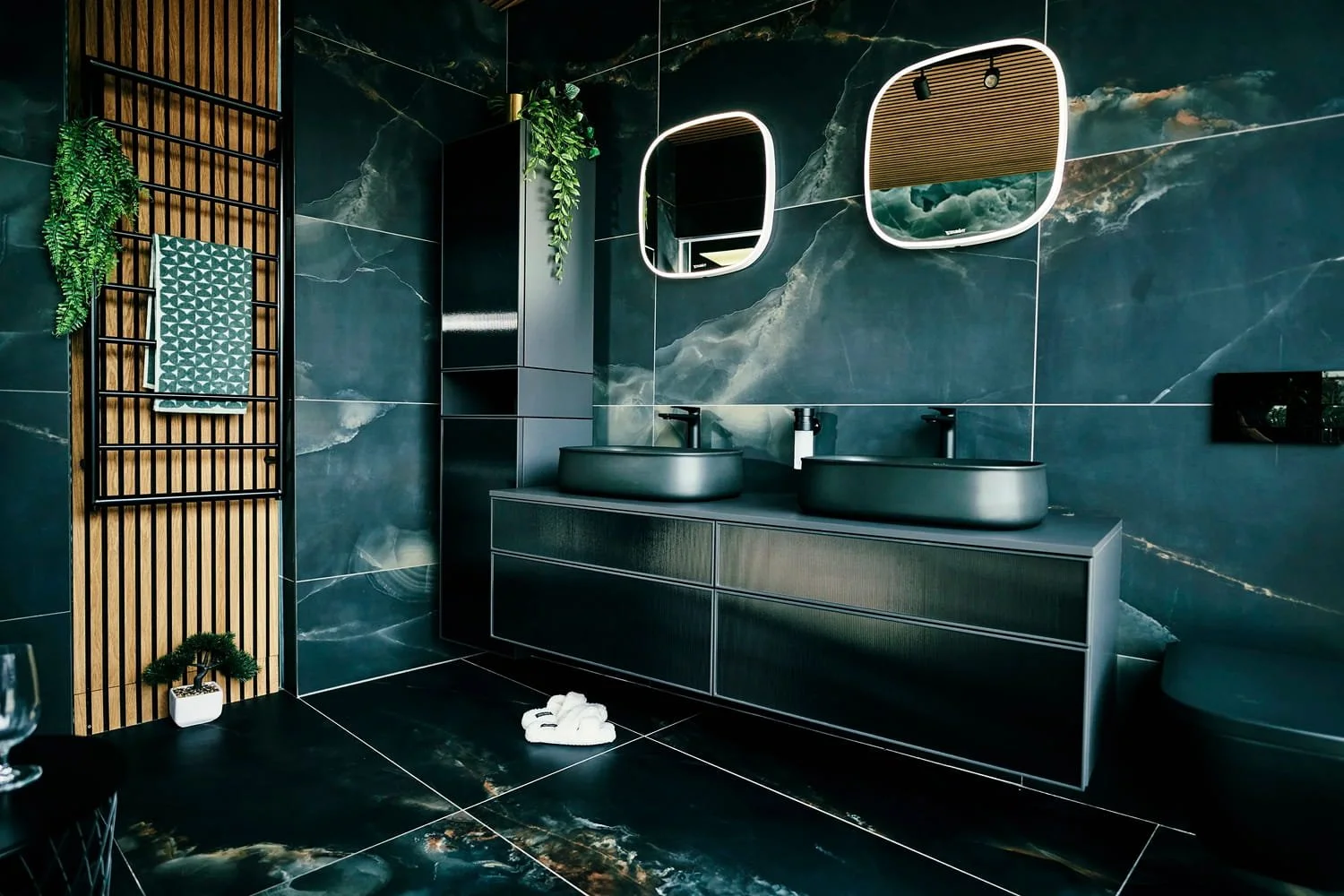
Average Cost of a New Bathroom in the UK (2026)
Based on recent UK installer quotes and industry data, the average cost of a new bathroom in 2026 typically falls within the following ranges.
Typical New Bathroom Cost
£5,500 – £8,000
Average spend: around £7,000
This usually includes:
Standard bathroom fixtures (toilet, basin, bath or shower)
Flooring and wall finishes
Labour and installation
Removal of the existing bathroom
This price range suits most standard bathroom replacements where the layout stays broadly the same and there are no major structural changes.
High‑End or Complex Bathroom Projects
£14,000+
Higher budgets are usually linked to:
Larger bathrooms or en‑suites
Premium or bespoke products
Extensive tiling or specialist finishes
More complex plumbing or electrical work
Longer installation times (often 10+ days)
There is effectively no upper limit at this level, as costs depend heavily on product choice and complexity rather than room size alone.
Labour‑Only Installation Costs
If you’re looking at labour separately, the average labour‑only cost for fitting a new bathroom in the UK is typically:
£2,000 – £4,000
This excludes the cost of bathroom products, tiles, and fixtures, and will vary depending on:
The scope of work
Your location
The experience of the installer
Why Bathroom Costs Vary So Much
Two bathrooms can look similar on the surface but cost very different amounts to install. This is because the final price is influenced by several key factors, not just the products you choose.
Bathroom Size and Shape
Larger bathrooms generally cost more, but size isn’t the only consideration. Awkward layouts, sloped ceilings, or limited access can all increase labour time and installation complexity.
Even in smaller bathrooms, tight spaces can slow work down and push costs higher than expected.
Refresh vs Full Renovation
A simple refresh is usually far more affordable than a full renovation.
A refresh might include replacing existing fixtures like the toilet, basin, or shower without changing the layout.
A full renovation often involves removing everything, reworking pipework, retiling, and installing new flooring.
The more work required behind the scenes, the higher the labour costs will be.
Product Choices
Bathroom products are available at a wide range of price points. Budget‑friendly options can help keep costs down, while premium or bespoke products will naturally increase the overall spend.
It’s also worth considering long‑term value. Higher‑quality fixtures often last longer and perform better, even if the upfront cost is higher.
Installation and Labour Costs
Labour is one of the biggest contributors to bathroom costs. In 2026, labour‑only installation for a new bathroom typically ranges from £2,000 to £4,000.
Prices can increase if:
Plumbing or electrics need to be moved
Specialist trades are required
The installation takes longer than expected
Location and Regional Differences
Where you live also plays a role. Installation costs in London and the South East are often 10–20% higher than the UK average, while remote or rural locations may also attract higher charges due to travel and logistics.
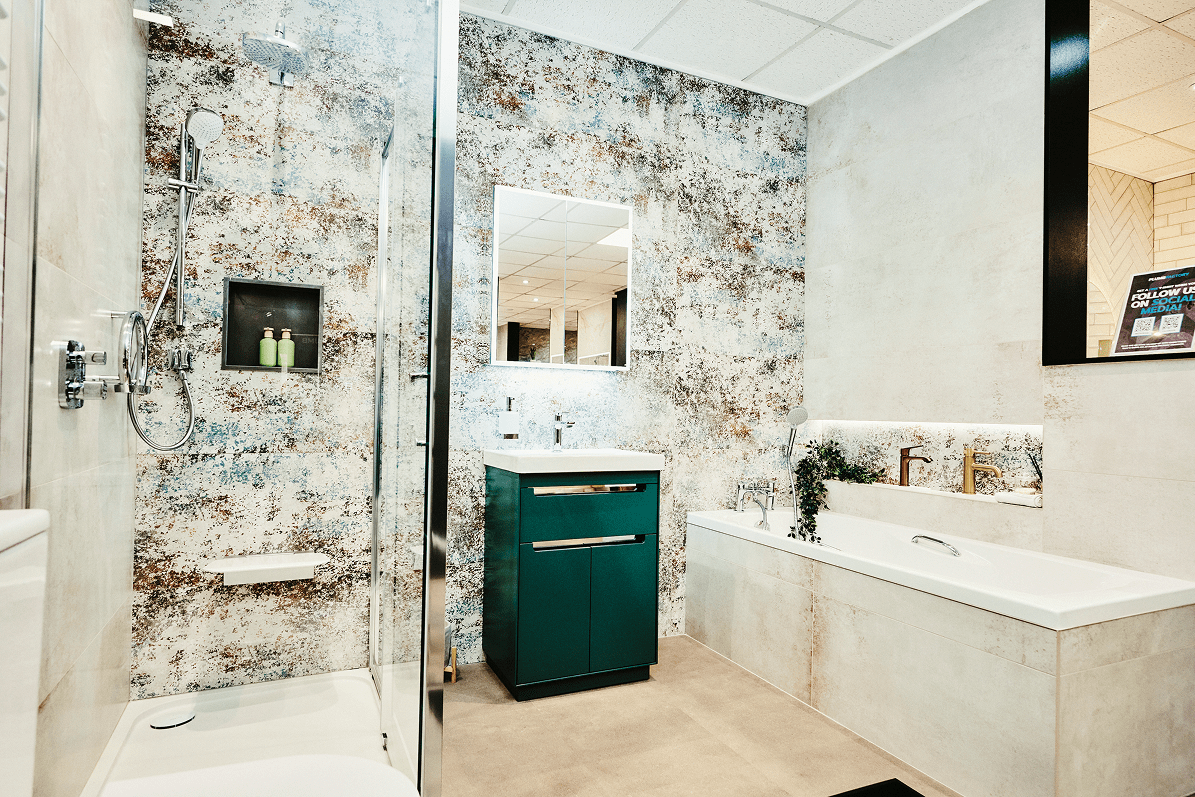
Typical Bathroom Installation Costs in 2026 (Labour Only)
Installation costs make up a significant portion of the total price of a new bathroom. While exact figures vary by location and complexity, the following ranges reflect average UK labour costs in 2026.
These figures do not include the cost of products, tiles, or materials.
Tiling and Flooring
Professional tiling typically costs £150–£350 per day, depending on the installer and the complexity of the work. For an average UK bathroom (around 4.8m²), tiling can take anywhere from a few hours to several days.
If you’re looking to reduce costs, vinyl flooring is often quicker to install. Labour costs are typically around £225 per day, and installation can take as little as a few hours.
Electric underfloor heating is another consideration. Installation costs are usually £60–£85 per square metre, making it a more affordable option than traditional wet underfloor heating systems.
Bathroom Suite Installation
Installing a standard bathroom suite (toilet, basin, and bath) is a labour‑intensive job. On average, installation takes 6–10 hours and costs between £350 and £1,100, depending on the complexity of the plumbing involved.
Showers and Enclosures
Replacing an existing shower is often straightforward, while adding a new shower can require additional plumbing work.
Typical labour costs are:
£250–£750 for shower installation
£350–£800 for shower enclosure installation
A complete shower and enclosure installation usually takes 1–2 days.
Towel Rails and Radiators
Installing a heated towel rail or bathroom radiator generally costs £200–£450, with most jobs completed within 2–4 hours.
Additional Bathroom Costs People Often Forget
When budgeting for a new bathroom, it’s easy to focus on fixtures and finishes. However, several additional costs can significantly affect the final price if they’re not planned for early.
Old Bathroom Removal and Waste Disposal
Removing an existing bathroom is rarely cost‑free. Labour and disposal typically cost between £600 and £1,000, depending on how much needs to be removed and how waste is handled.
Some homeowners choose to manage waste disposal themselves to reduce costs, but this should only be done if it’s practical and safe to do so.
Electrical Work and Lighting
Bathrooms require specialist electrical work, including IP‑rated lighting and extractor fans. Electrical work can add several hundred pounds to the total cost, particularly if new circuits or additional lighting are required.
Any electrical work should always be carried out by a qualified electrician.
Extractor Fans and Ventilation
Good ventilation is essential in a bathroom to prevent moisture‑related issues. If a new extractor fan is required, installation typically costs £60–£300, depending on the type of fan and ease of access.
Plumbing Adjustments and First‑Fix Work
Even small changes to a bathroom layout can require additional plumbing. First‑fix plumbing work can increase costs, especially if pipework needs to be moved or upgraded.
Unseen issues, such as damaged pipework discovered during strip‑out, can also add to the final bill.
Finishing and Decorative Work
Final touches such as plastering, painting, or specialist finishes are often overlooked during early budgeting. These finishing works can make a noticeable difference to both cost and timeline.
How Long Does a New Bathroom Take to Install?
The time it takes to install a new bathroom depends on how much work is involved. A straightforward replacement will be completed far quicker than a full renovation that involves plumbing, electrics, tiling, and finishing work.
On average, a full bathroom installation takes between 5 and 10 days.
Smaller updates, such as replacing a suite without changing the layout, can sometimes be completed in as little as 2–4 days. More complex projects, particularly larger or high‑end bathrooms, can take 10 days or more to complete.
Installation times are usually influenced by:
The size of the bathroom
Whether the layout is changing
The amount of tiling and flooring involved
Drying and curing times for adhesives and waterproofing
The need for specialist trades
Rushing a bathroom installation can lead to issues later on, particularly with waterproofing and finishes. Allowing enough time helps ensure the work is completed properly and to a high standard.
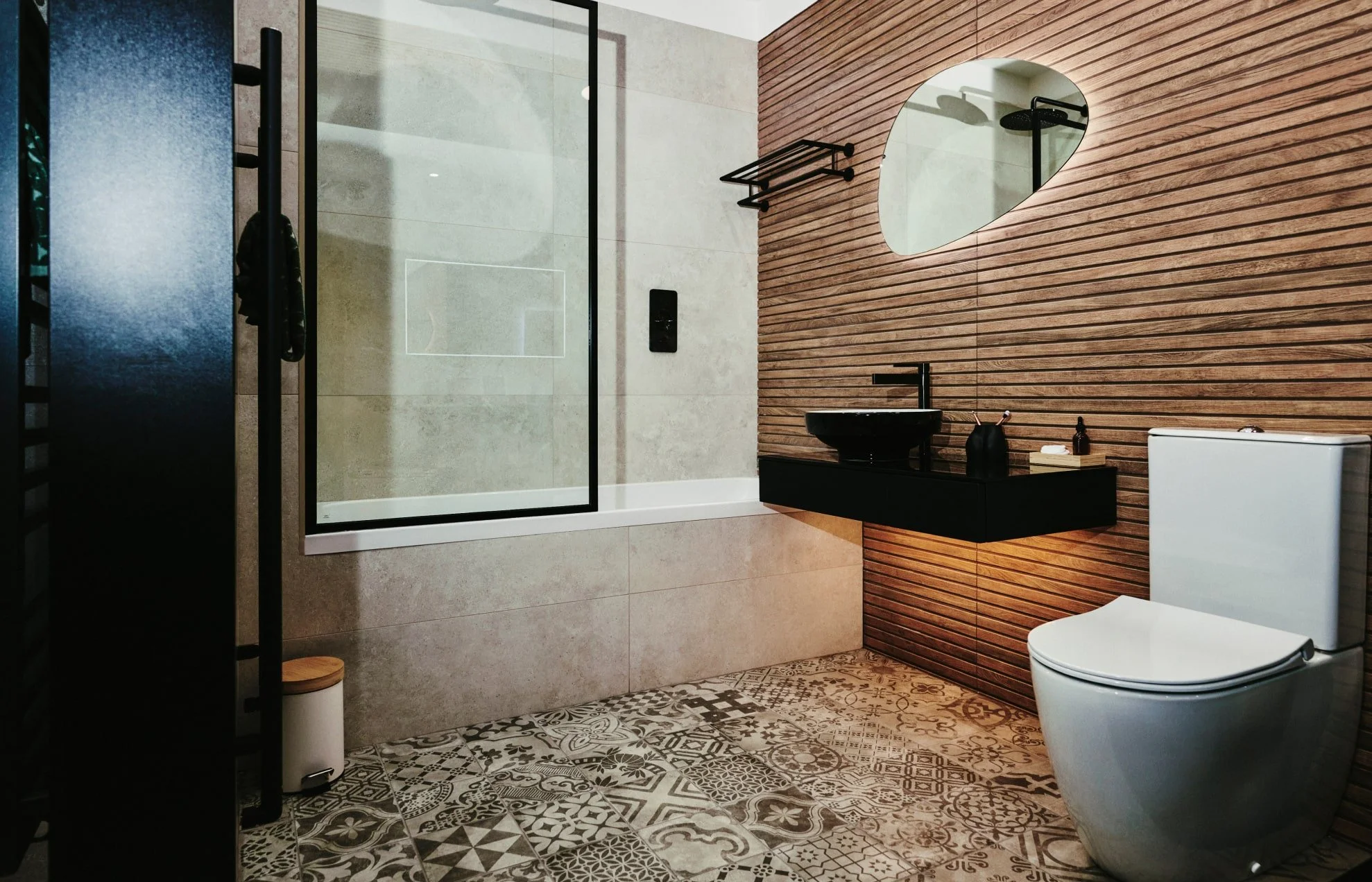
How to Set a Realistic Bathroom Budget in 2026
Setting a clear budget early on is one of the best ways to avoid unexpected costs during a bathroom renovation. In 2026, with labour and material prices still fluctuating, realistic planning is more important than ever.
Start With an Overall Budget Range
Rather than focusing on an exact figure, it’s often more helpful to set a budget range. This allows flexibility if costs change slightly or if you decide to upgrade certain elements once planning is underway.
For most UK homeowners, a realistic starting point for a standard new bathroom is between £5,500 and £8,000, with higher budgets needed for larger or more complex projects.
Decide Where to Spend and Where to Save
Not every element of a bathroom needs to be high‑end. Many people choose to invest more in items that are used daily, such as showers, taps, and furniture, while opting for more budget‑friendly options elsewhere.
Balancing quality and cost can help you stay within budget without compromising on performance or longevity.
Keep the Layout the Same Where Possible
Changing the position of toilets, baths, or showers usually means additional plumbing and labour. Keeping the existing layout can significantly reduce installation costs and keep timelines shorter.
Allow a Contingency
Even with careful planning, unexpected issues can arise once the old bathroom is removed. Setting aside a contingency — typically around 10–15% of your total budget — helps protect you from unpleasant surprises.
Get Advice Before You Commit
Speaking with a bathroom designer early on can help you understand what’s achievable within your budget and prevent costly mistakes later. Good planning often saves money overall.
How Good Bathroom Design Can Save You Money
Bathroom design isn’t just about how a space looks. Good design plays a major role in controlling costs and avoiding mistakes that can become expensive later on.
A well‑planned layout helps ensure fixtures are positioned efficiently, reducing unnecessary plumbing and electrical work. Even small adjustments at the design stage can prevent costly changes during installation.
Design also helps you make better use of space. A thoughtfully designed bathroom can feel larger and more functional without needing extra square footage or premium finishes. This is particularly valuable in smaller bathrooms, where every decision has an impact.
Product selection is another area where design adds value. Choosing compatible products that work well together helps avoid over‑specifying or under‑spending in the wrong places. This balance can make a significant difference to your overall budget.
At Plumb Factory, we offer a free bathroom design service to help customers visualise their space and select products that suit both their layout and budget. By planning everything upfront, it’s often possible to achieve better results without increasing overall costs.
New Bathroom Costs FAQs
How much does a new bathroom cost in the UK in 2026?
In 2026, the average cost of a new bathroom in the UK is around £7,000, with most standard installations falling between £5,500 and £8,000. Larger or high‑end bathrooms can cost £14,000 or more, depending on complexity and product choice.
What is the cheapest way to renovate a bathroom?
The most cost‑effective approach is a like‑for‑like replacement. Keeping the existing layout, reusing plumbing positions, and limiting tiling can significantly reduce labour costs.
How much should I budget for bathroom installation alone?
Labour‑only installation typically costs between £2,000 and £4,000, depending on the scope of work, location, and installer experience.
Does a small bathroom cost less to renovate?
Not always. While smaller bathrooms use fewer materials, tight spaces can increase labour time. Layout complexity often has a bigger impact on cost than size alone.
Are luxury bathrooms worth the extra cost?
Luxury bathrooms often focus on higher‑quality materials, better finishes, and long‑term durability. Whether they’re worth it depends on your priorities and how long you plan to stay in the property.
Can I renovate a bathroom in stages to reduce costs?
Yes. Some homeowners choose to update fixtures first and tackle tiling or flooring later. However, this can sometimes increase overall costs if work needs to be repeated.
How long does a bathroom renovation usually take?
Most full bathroom installations take 5–10 days. Smaller updates can be completed more quickly, while complex or high‑end projects may take longer.
Do I need a contingency budget?
Yes. It’s recommended to allow a 10–15% contingency to cover unforeseen issues such as hidden plumbing problems or additional preparation work.
Does moving plumbing significantly increase costs?
Yes. Relocating toilets, showers, or basins usually increases labour time and material costs, making it one of the biggest factors in price variation.