
Different Bath Materials: How to Choose the Right Bathtub
When choosing a new bath, it’s easy to focus on shape or style first. But one decision that is often overlooked is the material the bathtub is made from. Bath material affects how comfortable the bath feels, how well it holds heat, how durable it is over time, and how much maintenance it requires.
There’s no single best bath material for everyone. The right choice depends on how the bath will be used, who will use it, and what matters most to you, whether that’s long, relaxing soaks, everyday practicality, or long‑term durability.
This guide explains the most common bathtub materials, how they differ, and how to decide which is the best bathtub material for your bathroom. By understanding the pros and limitations of each option, you can choose a bath that looks good, feels right, and performs well for years to come.
What Are Bathtubs Made Of?
Modern bathtubs are made from a range of materials, each offering different benefits in terms of comfort, weight, heat retention, and maintenance. Understanding what bathtubs are made of is the first step in choosing the right one for your home.
The most common types of bathtub materials include acrylic, steel enamel, cast iron, and composite or stone‑based materials. Some materials are lightweight and easy to install, while others are heavier and designed for longevity and heat retention.
No single option is automatically the best material for a bathtub. Each has strengths and trade‑offs. The key is understanding how these materials perform in real‑world use and matching them to your needs, space, and expectations.
In the sections below, we’ll break down the most popular bathtub materials, explain how they differ, and help you identify the best material for a bath based on comfort, durability, and everyday use.
The Most Common Types of Bathtub Materials
Understanding the differences between bathtub materials makes it much easier to decide which option is right for your bathroom. Each material offers a different balance of comfort, durability, maintenance, and cost, so the best bathtub material depends on how the bath will be used.
Below is a breakdown of the most common types of bathtub materials you’ll find today.
Acrylic Bathtubs

Acrylic is one of the most popular bathtub materials and is widely used in modern bathrooms.
Acrylic bathtubs are lightweight, making them easier to install and suitable for most homes. They warm up quickly and offer decent heat retention, which makes them comfortable for everyday use. The surface is smooth and non‑porous, so it’s relatively easy to clean and maintain.
In terms of durability, high‑quality acrylic baths are reinforced to prevent flexing, although they can be more prone to scratching than heavier materials. For many households, acrylic is often considered the best material for a bath due to its balance of comfort, practicality, and affordability.
Best for: Everyday use, family bathrooms, straightforward installations
Steel Enamel Bathtubs
Steel enamel bathtubs are made from pressed steel coated with an enamel finish. They’re known for their hard, glossy surface and clean appearance.
This material is very durable and resistant to scratches and chemicals. However, steel enamel baths tend to lose heat more quickly than other bathtub materials, meaning bathwater may cool faster. They can also feel cold to the touch initially, although this improves once filled.
Steel enamel is often chosen for its longevity and crisp finish, rather than for long, relaxing soaks.
Best for: Durability, low‑maintenance bathrooms, modern designs
Cast Iron Bathtubs
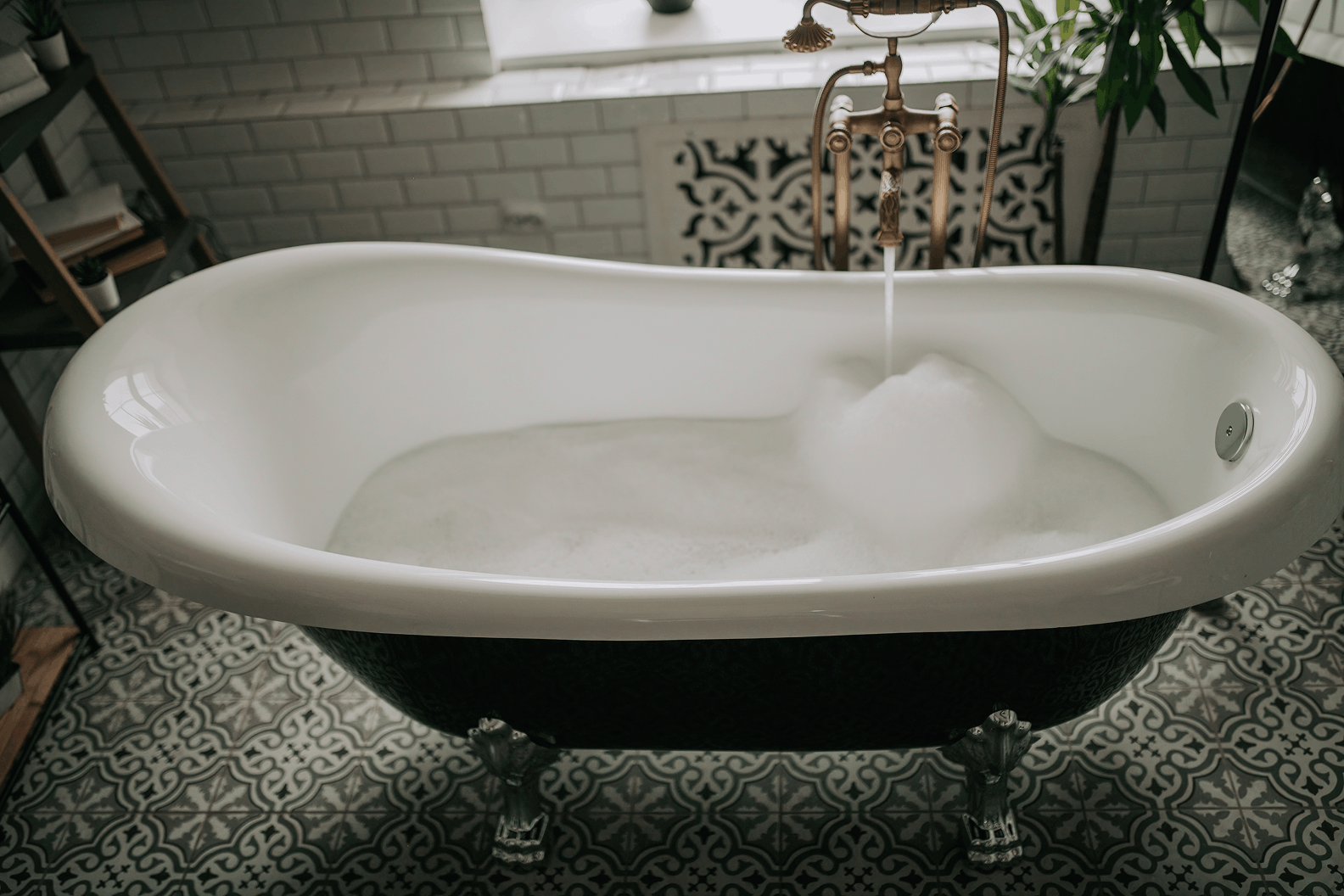
Cast iron bathtubs are among the most robust and long‑lasting options available. Made from thick cast iron coated with enamel, they are extremely durable and offer excellent heat retention.
Once warm, cast iron baths keep water hot for longer than most other materials, making them ideal for extended soaking. However, they are very heavy, which can affect installation and may require additional structural support.
For those prioritising longevity and comfort, cast iron is often considered one of the best bathtubs available.
Best for: Long baths, premium bathrooms, long‑term durability
Stone Resin & Composite Bathtubs
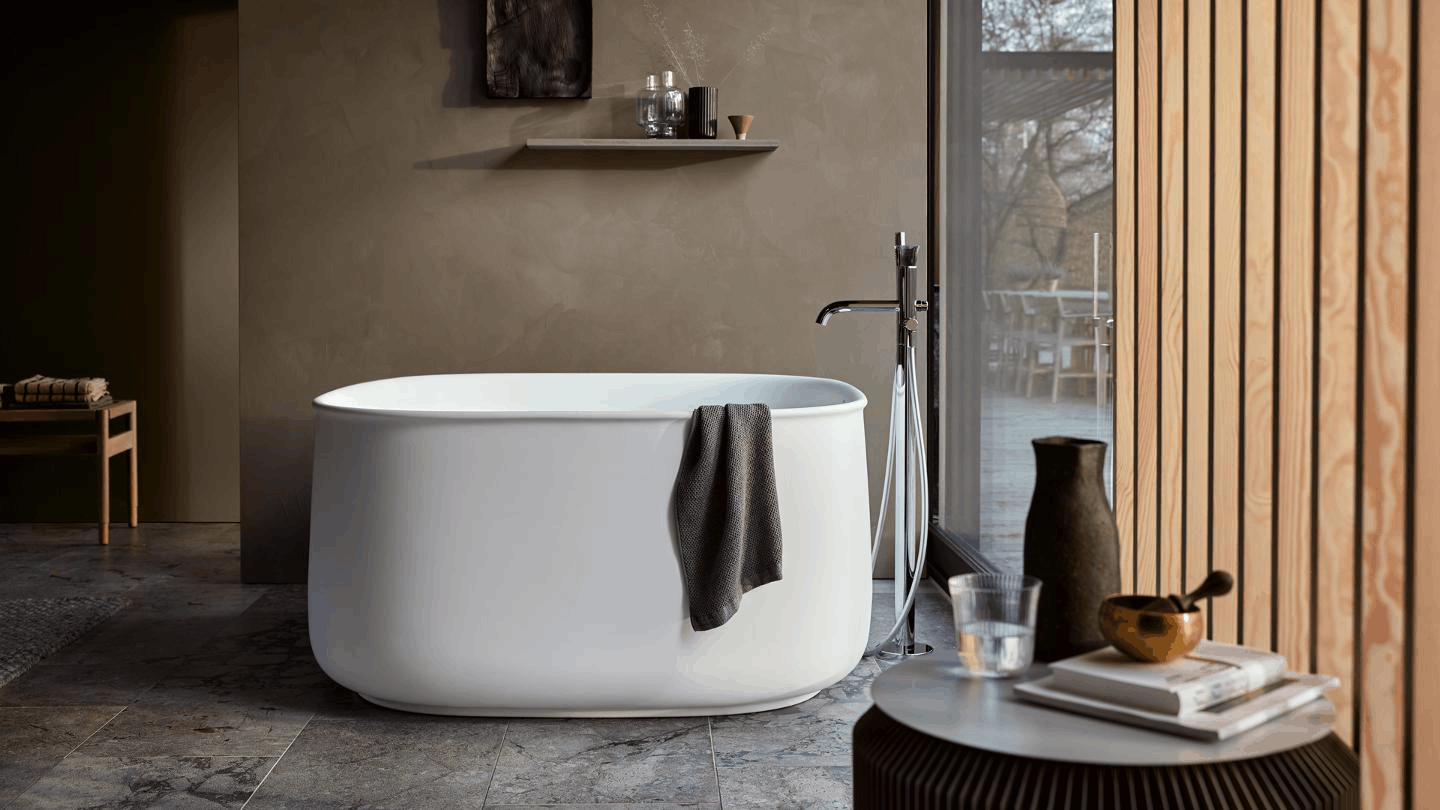
Stone resin and composite bathtubs are modern materials designed to replicate the appearance of natural stone while offering improved practicality.
These baths are known for their solid feel, smooth matte finishes, and excellent heat retention. They’re typically heavier than acrylic but lighter than cast iron, offering a balance between durability and installation practicality.
While often positioned at a higher price point, stone resin baths are frequently chosen by those looking for the best type of bathtub material in terms of comfort and aesthetics combined.
Best for: Contemporary bathrooms, luxury feel, high comfort
Other Bathtub Materials
Some less common bathtub materials include fibreglass, solid surface materials, copper, and natural stone. These options tend to be more specialised and are usually chosen for specific design or performance reasons rather than everyday practicality.
While they can be suitable in certain situations, most homeowners find that acrylic, steel enamel, cast iron, or composite materials offer the best balance of performance and value.
Comparing Bathtub Materials: Which Is Best?
When people search for the best bathtub material, what they’re usually looking for is the option that performs best for their needs. Rather than there being one universal answer, the best material depends on how the bath will be used, how much maintenance you’re comfortable with, and what you value most in daily use.
Below is a practical comparison of the most popular bathtub materials, based on the factors that matter most.
Comfort & Feel
If comfort is your priority, materials that feel warm to the touch and have a solid, supportive feel tend to perform best.
Cast iron and stone resin baths excel here, as they feel substantial and retain warmth well. Acrylic baths also perform well for everyday comfort, especially when well reinforced. Steel enamel baths are durable but can feel colder and less comfortable initially.
Best performers: Cast iron, stone resin
Good all‑rounder: Acrylic
Heat Retention
Heat retention plays a big role in how enjoyable a bath is, especially for longer soaks.
Cast iron offers the best heat retention, followed closely by stone resin and composite materials. Acrylic holds heat reasonably well but will cool faster over time. Steel enamel generally loses heat the quickest.
Best heat retention: Cast iron
Very good: Stone resin
Moderate: Acrylic
Lower: Steel enamel
Durability & Longevity
Durability affects how long a bath lasts and how well it maintains its appearance.
Cast iron bathtubs are exceptionally durable and can last decades. Steel enamel is also very hard‑wearing. Acrylic can be durable when well made, but lower‑quality options may scratch more easily. Stone resin sits between acrylic and cast iron in terms of long‑term resilience.
Longest lifespan: Cast iron
Very durable: Steel enamel
Balanced: Stone resin
Varies by quality: Acrylic
Maintenance & Cleaning
Ease of maintenance is important for everyday practicality.
Acrylic and steel enamel baths are easy to clean and don’t require specialist products. Cast iron is low‑maintenance but very heavy. Stone resin may require slightly more care to maintain its finish, depending on the product.
Lowest maintenance: Acrylic, steel enamel
Moderate: Cast iron, stone resin
Budget & Installation Considerations
Budget and installation play a major role in choosing the best material for a bathtub.
Acrylic baths are typically the most affordable and easiest to install. Steel enamel sits slightly higher but remains practical. Cast iron and stone resin baths usually come at a higher cost and may involve more complex installation due to their weight.
Most budget‑friendly: Acrylic
Mid‑range: Steel enamel
Premium: Cast iron, stone resin
So, Which Is the Best Bathtub Material?
There’s no single answer to which is the best bath material, it depends on how you’ll use the bath and what matters most to you.
For everyday use and practicality: Acrylic
For long, hot soaks: Cast iron or stone resin
For durability and low maintenance: Steel enamel
For luxury feel and performance: Stone resin
Choosing the best material for a bath means balancing comfort, durability, maintenance, and installation to suit your home and lifestyle.
Choosing the Best Bathtub Material for Your Bathroom
The best bathtub material isn’t just about performance on paper, it’s about how the bath will be used in your home. Different bathrooms and lifestyles benefit from different materials, so thinking about everyday habits makes choosing much easier.
Best Bathtub Material for Everyday Use
For bathrooms used daily by multiple people, practicality and ease of maintenance are key. Acrylic bathtubs are often considered the best material for a bathtub in this situation, as they’re lightweight, comfortable, and easy to clean.
High‑quality acrylic baths offer a good balance of durability and comfort, making them a popular choice for family homes and shared bathrooms.
Best choice: Acrylic
Best Bathtub Material for Long, Relaxing Soaks
If bathing is more about relaxation than routine, heat retention and comfort become priorities. Cast iron and stone resin baths perform particularly well here, holding heat for longer and offering a more solid, supportive feel.
These materials are often chosen for en‑suite bathrooms or spaces designed around comfort and luxury.
Best choices: Cast iron, stone resin
Best Bathtub Material for Family Bathrooms
Family bathrooms benefit from materials that are durable, easy to maintain, and forgiving of daily wear. Acrylic is again a strong option, particularly when reinforced for strength. Steel enamel can also work well where durability is a priority, though it may be less comfortable for longer baths.
Best choices: Acrylic, steel enamel
Best Bathtub Material for Low Maintenance
If ease of cleaning and durability are top priorities, steel enamel and acrylic baths are often the best options. Both materials are resistant to staining and can be cleaned with standard bathroom products.
These materials suit busy households or bathrooms where simplicity and longevity matter more than extended soaking comfort.
Best choices: Acrylic, steel enamel
Best Bathtub Material for a Luxury Look and Feel
For bathrooms where design and comfort are central, stone resin and cast iron baths offer a premium appearance and performance. Their weight and feel often contribute to a higher‑end finish, making them popular choices in feature bathrooms.
Best choices: Stone resin, cast iron
How Bathtub Material Affects Installation & Planning
Bathtub material doesn’t just influence how a bath looks and feels, it also affects how it’s installed and how it fits into your overall bathroom plan. Considering these factors early helps avoid complications later on.
Weight and Structural Considerations
One of the biggest differences between bathtub materials is weight. Acrylic baths are lightweight and suitable for most homes without additional support. Steel enamel baths are heavier but still generally straightforward to install.
Cast iron and stone resin baths are significantly heavier. In some cases, this may require additional structural support, particularly in upstairs bathrooms. Understanding these requirements early helps ensure the chosen bath is practical for the space.
Installation Complexity
The heavier and more solid the bathtub material, the more complex the installation tends to be. This can affect access, handling, and installation time.
Lightweight materials like acrylic are easier to manoeuvre and install, which can simplify the process. Heavier materials often require more careful planning and professional installation to ensure safety and longevity.
Planning Before Choosing a Bathtub
Choosing a bath before confirming layout and installation requirements can lead to issues later on. Space, access, and plumbing positions all need to work with the chosen bathtub material and type.
This is why bath selection works best as part of a wider bathroom planning process. Considering layout, structure, and installation together helps ensure the final choice is not only the best bathtub material in theory, but the right one in practice.
Why Early Planning Prevents Compromise
When planning is done early, it’s easier to balance comfort, performance, and practicality. This reduces the risk of having to change materials or compromise on features once installation is underway.
Thinking about installation and planning alongside bathtub materials helps ensure a smoother renovation and a more satisfying final result.
Bathtub Material FAQs
What is the best material for a bathtub?
There isn’t one single best material for a bathtub. The best choice depends on how the bath will be used. Acrylic is a popular all‑round option for everyday use, cast iron and stone resin are ideal for long, hot baths, and steel enamel is valued for durability and low maintenance.
What are bathtubs made of?
Bathtubs are commonly made from acrylic, steel enamel, cast iron, and composite or stone resin materials. Each material offers different benefits in terms of comfort, heat retention, weight, and maintenance.
Which bathtub material keeps water warm the longest?
Cast iron bathtubs retain heat the best, followed closely by stone resin and composite materials. Acrylic offers moderate heat retention, while steel enamel tends to cool more quickly.
Are acrylic bathtubs good quality?
Yes, high‑quality acrylic bathtubs are durable, comfortable, and easy to maintain. Reinforced acrylic baths are particularly popular in family bathrooms and are often considered one of the best bathtub materials for everyday use.
Is cast iron better than acrylic?
Cast iron offers superior heat retention and durability, but it is much heavier and more expensive than acrylic. Acrylic baths are lighter, easier to install, and more affordable, making them a practical choice for many homes.
What is the most durable bathtub material?
Cast iron is generally the most durable bathtub material and can last for decades with proper care. Steel enamel is also very hard‑wearing, while the durability of acrylic depends on the quality of the bath.
Which bathtub material is easiest to maintain?
Acrylic and steel enamel bathtubs are the easiest to maintain, as they resist staining and can be cleaned with standard bathroom cleaning products.